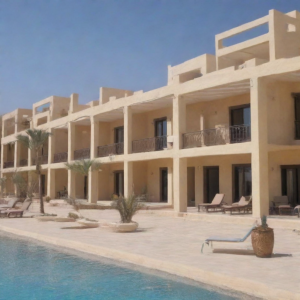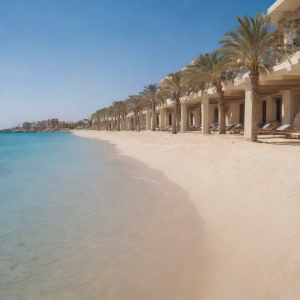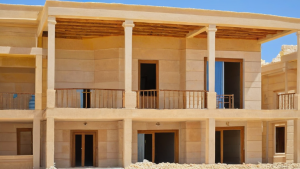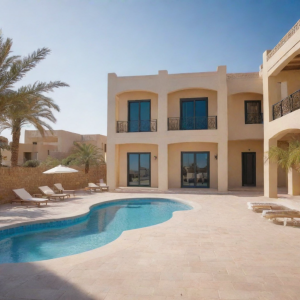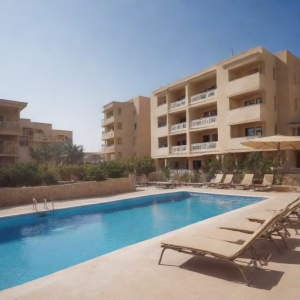
Summary about owning and buying property in Hurghada, Egypt.
- Living in Hurghada means dealing with a hot, dry climate for much of the year.
- If you’re moving to or renovating a home in Hurghada, understanding the types of windows and insulation commonly used can help you improve comfort and energy efficiency.
- In Hurghada, window types are chosen based on their ability to reduce heat gain while allowing airflow and natural light.
- Although traditionally insulation wasn’t a priority in Egyptian homes, modern building practices have shifted to include materials that improve thermal comfort and reduce electricity costs.
- Choosing the right type of windows and insulation can drastically reduce energy consumption in Hurghada homes.
Common types of windows and insulation used in Hurghada homes
Living in Hurghada means dealing with a hot, dry climate for much of the year. This uniquely affects the way homes are built and maintained, especially when it comes to windows and insulation. If you’re moving to or renovating a home in Hurghada, understanding the types of windows and insulation commonly used can help you improve comfort and energy efficiency.
Types of windows popular in Hurghada homes
Windows serve multiple purposes: ventilation, natural light, and protection from outside elements. In Hurghada, window types are chosen based on their ability to reduce heat gain while allowing airflow and natural light. Here are the main types of windows you’ll encounter:
- Aluminum Frame Windows: These are very common in Hurghada homes due to aluminum’s durability and resistance to the salty, coastal environment. Aluminum frames don’t warp or rot, making them ideal for the climate. Many of these windows come with double glazing to improve thermal insulation.
- Double-Glazed Windows: To combat heat penetration, many homeowners use double-glazed windows. This type involves two layers of glass separated by a thin air or gas layer, which helps reduce heat transfer and noise. The insulation property keeps homes cooler during the hot daytime hours.
- Sliding Windows: Sliding windows are popular because they provide ample ventilation and are easy to operate. Their design minimizes gaps that can let in dust, an important feature considering Hurghada’s desert environment. They also require less wall space than swinging windows.
- Louvered Windows: Some homes use louvered windows to boost airflow while still providing shade from direct sunlight. These windows have adjustable slats that control the amount of air and light entering a room, perfect for Hurghada’s warm temperatures.
- Plastic or PVC Windows: Less common but growing in popularity are PVC windows. These offer good insulation properties and don’t corrode in coastal conditions. They typically require less maintenance than metal-framed windows.
Common insulation practices in Hurghada housing
Insulation plays a crucial role in cooling homes during Hurghada’s scorching summers. Although traditionally insulation wasn’t a priority in Egyptian homes, modern building practices have shifted to include materials that improve thermal comfort and reduce electricity costs. Some of the typical insulation methods include:
- Foam Insulation: Spray foam is widely used in newer constructions. This type of insulation expands to fill gaps and cracks, preventing hot air from entering the living space. It’s effective on walls, ceilings, and around window frames.
- Reflective Insulation: Reflective foil membranes are often placed under roofs or on exterior walls. These reflect radiant heat away from the home, significantly lowering indoor temperatures. This method suits Hurghada’s high sun exposure well.
- Fiberglass Insulation: Though not as common due to humidity concerns, fiberglass batts are occasionally used inside wall cavities for thermal insulation. Proper installation is required to avoid moisture buildup.
- Concrete Block Walls with Insulation Layers: Many Hurghada homes are built with concrete blocks, which have moderate insulating effects. Builders often add insulation boards, such as expanded polystyrene (EPS), to the exterior or interior surfaces of these walls for enhanced thermal performance.
The role of window design and insulation in energy efficiency
Choosing the right type of windows and insulation can drastically reduce energy consumption in Hurghada homes. Because the city experiences high temperatures for much of the year, air conditioning costs can be significant. Effective insulation combined with reflective and double-glazed windows helps maintain cooler indoor conditions without over-reliance on AC units.
Additionally, well-sealed windows prevent dusty desert air from entering, improving indoor air quality and reducing maintenance for fans and filters. If you’re considering renovations, consulting with local experts who understand the climate-specific needs will help you pick materials that last and perform well.
Maintenance tips for windows and insulation in coastal Hurghada
Hurghada’s coastal location means salt air and dust can affect building materials over time. Regular maintenance helps extend the lifespan of windows and insulation. Here are some practical tips:
- Clean aluminum and PVC frames monthly to remove salt residue and prevent corrosion.
- Check window seals and weather stripping yearly to keep drafts and dust out.
- Inspect insulation for signs of moisture or damage, particularly after rainy seasons, to avoid mold development.
- Replace damaged or inefficient panes promptly to maintain energy savings.
By understanding the common window types and insulation methods used in Hurghada homes, you’ll be better prepared to optimize your living space for comfort and cost-efficiency. Investing in proper materials suited to the environment not only advances energy saving but also enhances overall indoor wellbeing.
How climate influences window and insulation choices in Hurghada residences
Understanding Hurghada’s climate and its impact on home design
Hurghada, located along Egypt’s Red Sea coast, is known for its hot desert climate with long, scorching summers and mild winters. The temperature often soars above 40°C (104°F) during peak summer months, while winters experience milder temperatures often dipping to pleasant lows around 14°C (57°F). Additionally, the region has low humidity and minimal rainfall throughout the year, characterized by intense sunlight and strong sea breezes. These climatic factors significantly influence the choice of windows and insulation in Hurghada residences, shaping how homes maintain comfort and energy efficiency.
Common window types in Hurghada homes
Windows in Hurghada are not just functional features but essential elements to manage heat gain, maximize ventilation, and reduce energy consumption. Homeowners and builders often favor window designs that balance light, airflow, and heat protection.
- Double-glazed Windows: These are popular for their thermal insulation properties. Double glazing involves two panes of glass separated by a gap, which acts as a barrier against heat transfer. This significantly reduces indoor temperatures during the hot months and provides better noise insulation.
- Aluminum-framed Windows with Thermal Breaks: Aluminum frames are favored in Hurghada due to their durability and resistance to sea air corrosion. To improve insulation, many windows incorporate thermal breaks,plastic sections inside the frame that reduce heat transfer, making interiors cooler.
- Tinted or Reflective Glass: Tinted glass reduces glare and minimizes solar heat entering the house, which is crucial in Hurghada’s intense sun exposure. Reflective coatings also help deflect sunlight, further lowering UV penetration and heat.
- Sliding and Casement Designs: These window types are common because they facilitate cross-ventilation, allowing sea breezes to cool interiors naturally. Proper ventilation reduces reliance on air conditioning, which is beneficial considering the energy costs in this desert climate.
Insulation materials and techniques tailored for Hurghada’s environment
While insulation is often associated with cold climates, it plays a vital role in hot regions like Hurghada by preventing outdoor heat from infiltrating indoor spaces. The right insulation choices keep homes comfortable year-round while enhancing energy efficiency.
- Foam Board Insulation: Rigid foam boards made from materials like polystyrene or polyurethane are frequently used in walls and roofs. They offer excellent resistance to heat transfer, making them ideal for blocking Hurghada’s intense sun rays.
- Reflective Insulation: Given the strong solar radiation, reflective foil insulation is popular in roofs. This insulation reflects radiant heat away from the home, reducing the amount of heat absorbed by roofing materials and lowering indoor temperatures.
- Spray Foam Insulation: Spray polyurethane foam provides an airtight seal in walls and attics. In hot climates, it helps reduce heat infiltration and prevents air leaks, which improves cooling efficiency during hot days.
- Natural Insulation Materials: Some homes in Hurghada incorporate traditional materials like clay or straw combined with modern techniques. These materials are breathable and provide effective thermal moderation, keeping interiors cooler during daytime heat and warmer during cooler nights.
How orientation and architectural features work with windows and insulation
The local climate influences more than just materials , it shapes the entire architectural approach. In Hurghada, homes are typically designed to optimize window placement and insulation in tandem to mitigate the harsh climate effects.
- Window Placement to Minimize Direct Sunlight: Windows are often oriented to reduce direct exposure to the harshest afternoon sun. North-facing windows tend to be larger to harness indirect sunlight and maintain brightness without excessive heat gain.
- Use of Shading Devices: External shading solutions such as overhangs, shutters, and pergolas help shade windows, further reducing solar heat entering the home. These also allow for some natural light while keeping interiors cooler.
- Thick Walls with High Thermal Mass: Many Hurghada homes incorporate walls with thick masonry to absorb heat during the day and slowly release it at night. This concept works hand-in-hand with insulation to maintain consistent indoor temperatures.
Why proper window and insulation choices matter in Hurghada
Selecting the right windows and insulation is crucial to dealing with Hurghada’s extreme heat and arid climate. Without adequate heat resistance, homes risk becoming uncomfortable and energy-inefficient, causing higher reliance on air conditioning,which drives up electricity costs and environmental impact.
For you, as a homeowner or builder in Hurghada, investing in energy-efficient windows and insulation means:
- Lower energy bills through reduced cooling loads
- Improved indoor comfort during the hottest months
- Better protection from UV rays and heat damage
- Enhanced property value due to sustainable building practices
Ultimately, the integration of climate-adapted window types and insulation materials is a smart approach to living comfortably in Hurghada, while respecting the unique environmental demands of the region. By understanding the climate’s influence on these building components, you can create a home that stays cool, bright, and efficient all year long.
When considering window and insulation options for homes in Hurghada, it’s clear that local climate plays a major role in shaping these choices. The intense heat and abundant sunshine call for windows that can reduce heat gain, such as those with double glazing or reflective coatings. These window types help maintain cooler indoor temperatures and improve energy efficiency, which is essential in Hurghada’s warm environment. Similarly, insulation materials used in homes are selected to minimize heat transfer, often relying on materials that are effective at blocking heat while also being moisture-resistant to handle occasional humidity.
By understanding the typical window styles,like aluminum frames paired with tinted or double-pane glass,and the common insulation solutions, homeowners can make smarter decisions that enhance comfort and lower energy bills. These features not only reflect practical responses to Hurghada’s desert climate but also contribute to sustainable living by reducing reliance on air conditioning.
If you are planning to build or renovate a home in Hurghada, paying close attention to the types of windows and insulation used will ensure your living space stays pleasant year-round. Selecting materials designed to combat heat and sunlight will create a more comfortable environment and optimize your home’s long-term efficiency. Ultimately, the windows and insulation are more than just structural components,they’re key elements in adapting your home to Hurghada’s unique climate challenges.