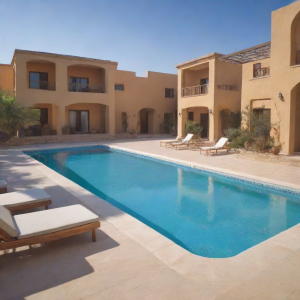
Summary about owning and buying property in Hurghada, Egypt.
- Negotiating with Egyptian developers to include additional features in a project requires a clear understanding of cultural nuances, communication styles, and project expectations.
- Whether you’re working with a freelance developer or a development team based in Egypt, adopting effective negotiation methods can help ensure your desired features are understood, considered, and implemented without friction.
- Taking the time to build mutual respect and showing genuine interest in collaboration creates a positive foundation for negotiations.
- If you communicate in writing, double-check your messaging for simplicity and avoid overly complex technical jargon unless you are sure the developers are familiar with it.
- While you might have a clear vision of features you want, be open to developers’ suggestions on technical feasibility or alternative solutions.
Effective strategies to negotiate with Egyptian developers for added features
Negotiating with Egyptian developers to include additional features in a project requires a clear understanding of cultural nuances, communication styles, and project expectations. Whether you’re working with a freelance developer or a development team based in Egypt, adopting effective negotiation methods can help ensure your desired features are understood, considered, and implemented without friction.
Understand the local business culture
Being aware of Egyptian business culture is crucial. Egyptians often place a high value on personal relationships and trust. Unlike overly transactional negotiations, establishing rapport first makes discussions about added features smoother. Taking the time to build mutual respect and showing genuine interest in collaboration creates a positive foundation for negotiations.
For example, initiating the conversation with some light, friendly dialogue around mutual interests or project goals can break the ice and make Egyptian developers more receptive to your ideas. Avoid rushing or pressuring them, as the negotiation pace may differ from what you’re used to.
Communicate clearly and precisely
Successful negotiation hinges on clarity. When requesting added features, be explicit about your needs and expectations. Many developers appreciate well-structured requests supported by detailed documentation, mockups, or user flow diagrams showing the desired outcome.
Avoid vague language like “make it better” or “add something useful.” Instead, specify what feature you want, why it’s important, and how it integrates with existing functionalities. If you communicate in writing, double-check your messaging for simplicity and avoid overly complex technical jargon unless you are sure the developers are familiar with it.
Offer realistic budgets and timeframes
One of the most sensitive points during negotiations involves budgets and deadlines. Egyptian developers typically operate within cost structures that differ from Western countries, but they also expect fair compensation for additional work. When you request added features, proposing a reasonable budget that reflects their effort helps avoid misunderstandings.
Similarly, set realistic deadlines based on the complexity of the requested features. Adding functionality is not a trivial task; rushing development may lead to poor quality or missed targets. Ask your developers for their honest input on how much extra time those features would require and factor that into your project plan.
Highlight the mutual benefits
Focusing on how the added features benefit both parties can strengthen your negotiation position. For instance, explaining how enhanced features increase the project’s market value or user satisfaction might motivate the developers to prioritize implementation. Pointing out opportunities for long-term cooperation or future projects can also encourage flexibility.
Be open to negotiation and feedback
Negotiation is a two-way street. While you might have a clear vision of features you want, be open to developers’ suggestions on technical feasibility or alternative solutions. Their expertise often reveals constraints or possibilities that may not be obvious initially. A collaborative approach enhances trust and can lead to better overall product outcomes.
Encourage developers to share their thoughts openly and treat their feedback respectfully. This attitude not only smooths the negotiation process but often results in creative ideas and compromises that satisfy all stakeholders.
Utilize structured agreements
Once you’ve reached an understanding about the added features, document the agreement clearly. Detailed statements of work (SoW), updated project scopes, or feature lists help avoid scope creep and ensure everyone remains aligned on expectations.
Include specifics on timelines, deliverables, payment terms related to additional features, and criteria for acceptance. This contract-like approach reduces confusion during the development cycle and protects both parties’ interests.
Leverage time zone differences wisely
Egypt is situated in the Eastern European Time zone, which might offer some overlap with your working hours depending on your location. Use this to your advantage by scheduling real-time video calls or chats during overlapping periods to discuss feature requests. Synchronous communication helps clarify doubts, foster understanding, and build connection more effectively than emails alone.
Maintain professional and friendly communication
Throughout negotiations, keep your tone professional but friendly. Egyptians appreciate courteous communication that respects hierarchy and personal dignity. Politeness and patience go a long way in nurturing positive working relationships.
Common pitfalls to avoid
- Assuming directness: Egyptians may prefer indirect communication to avoid confrontation. Read between the lines, and ask follow-up questions if unsure about their responses.
- Ignoring cultural holidays: Egypt observes national holidays and religious days such as Ramadan, which can impact developers’ availability. Plan ahead to accommodate these.
- Demanding immediate changes: Requests for added features should be respectful of existing commitments and workloads to prevent resistance.
By respecting these cultural and communication nuances, you create a collaborative environment where Egyptian developers feel valued and motivated. This atmosphere is essential for productive negotiations and smooth implementation of additional features that enrich your project.
Understanding cultural nuances to enhance collaboration with Egyptian software teams
Building strong relationships through respect and trust
When working with Egyptian software teams, understanding the cultural emphasis on building trust is essential. Egyptians value personal connections and respect, which often influence professional interactions. Before diving directly into project details or technical discussions, invest time in establishing rapport. Simple gestures like exchanging pleasantries, showing genuine interest in your team’s well-being, and acknowledging their contributions can go a long way in creating a collaborative atmosphere.
In many cases, Egyptian developers prefer to work with individuals they feel comfortable with. Trust isn’t built overnight, but consistent communication, honesty, and reliability will foster a positive relationship. Remember, showing respect for their time and expertise encourages open dialogue and a willingness to share ideas.
Effective communication: language and nuances
While many Egyptian software developers are proficient in English, being mindful of language nuances is crucial to avoid misunderstandings. Speaking slowly, using clear terminology, and avoiding idiomatic expressions or slang helps ensure that your message is understood. Giving your team room to ask questions demonstrates your openness and promotes clarity.
Non-verbal communication also plays a vital role. Egyptians often rely on body language and tone to convey meaning. Maintaining eye contact and adopting an approachable posture signifies engagement and sincerity. However, understanding that direct confrontation is usually avoided will help you interpret feedback more accurately. If an Egyptian developer hesitates or downplays an issue, it might indicate deeper concerns that need to be addressed tactfully.
Receptiveness to hierarchy and team decision-making
Egyptian work culture tends to respect hierarchy and authority, especially in larger organizations or traditional environments. Recognizing this dynamic helps in structuring communication channels effectively. Often, decisions are influenced or finalized by higher management, and developers might defer to their supervisors before acting on requests.
To enhance collaboration, engage with the appropriate decision-makers and involve them early in the requirement discussions for added features. This approach avoids delays and ensures alignment across all levels of the project.
That said, Egyptian developers appreciate when their technical expertise is recognized. Encouraging their input and allowing them to participate in problem-solving sessions creates a sense of ownership and motivation to contribute quality work.
Adapting negotiation techniques for feature requests
When negotiating with Egyptian developers about adding new features or modifying project scope, understanding their priorities can lead to smoother outcomes. They often prioritize clear requirements, reasonable deadlines, and fair compensation over aggressive negotiation tactics.
Here are a few strategies to consider:
- Present clear and detailed specifications: Egyptian developers value well-defined tasks, so outline what each added feature involves.
- Be flexible with timelines: Collaborate on realistic schedules and show willingness to adjust as needed.
- Offer recognition: Acknowledge their extra efforts publicly or through rewards.
- Maintain transparency about project goals: Sharing the bigger picture increases their commitment to delivering quality additions.
Approaching negotiations with patience and respect makes developers more inclined to accommodate your requests. Keep in mind that developing a mutual understanding of constraints can help avoid conflicts and foster a long-term partnership.
Understanding work ethics and expectations
Egyptian developers are known for their dedication and adaptability. Many are eager to meet project demands and contribute effectively, especially when they feel their efforts are valued. However, it’s important to set realistic expectations regarding work hours, responses to urgent tasks, and availability across different time zones.
Clear communication about deadlines, feedback loops, and performance standards helps minimize confusion and delays. Additionally, providing constructive feedback respectfully encourages continuous improvement and keeps motivation high.
Promoting inclusive and collaborative work environments
Creating an environment where Egyptian development teams feel included and heard can significantly enhance collaboration. Encourage regular meetings where developers can voice ideas and challenges. Celebrate cultural occasions or milestones to reinforce team spirit and mutual respect.
Employing collaboration tools that accommodate language preferences and promote transparency streamlines workflows. Make sure documentation is accessible and that team members can easily track feature requests, bugs, and project updates.
Summary of key insights to work better with Egyptian software teams
- Invest time in building genuine relationships before technical negotiations.
- Use clear, simple language and be mindful of verbal and non-verbal cues.
- Respect hierarchical structures while valuing developers’ technical expertise.
- Negotiate feature additions with patience, clear specifications, and transparency.
- Set realistic expectations around deadlines, availability, and feedback.
- Foster an inclusive atmosphere by encouraging open communication and cultural acknowledgment.
By embracing these cultural nuances, you can create stronger partnerships and enhance the quality of collaboration with Egyptian software teams. This approach not only improves the process of negotiating added features but also supports ongoing project success and mutual growth.
Successfully negotiating with Egyptian developers for added features requires a blend of clear communication, mutual respect, and cultural awareness. By employing effective strategies,such as setting transparent expectations, prioritizing feature requests, and maintaining open channels for feedback,you create a collaborative environment that supports both your project goals and the developers’ expertise. Recognizing and appreciating the unique cultural nuances of Egyptian software teams further strengthens this partnership. Understanding their communication style, decision-making processes, and work values helps prevent misunderstandings and demonstrates your commitment to a respectful working relationship.
When you take the time to engage with Egyptian developers thoughtfully, you not only streamline the negotiation process but also build trust that encourages creative problem-solving and flexibility. This cultural sensitivity ensures that your requests for additional features are met with enthusiasm rather than resistance, resulting in a better end product. Ultimately, combining practical negotiation techniques with an appreciation for cultural differences empowers you to navigate feature discussions confidently and forge stronger, longer-lasting collaborations with Egyptian development teams.