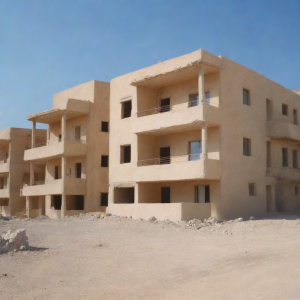
Summary about owning and buying property in Hurghada, Egypt.
- Waiting for your new home can be exciting, but facing delays in property handover from developers is a common frustration.
- Before committing to a property, it’s essential to check the reputation and history of the developer.
- The sale agreement is a legal contract outlining what you can expect from the developer, including the possession date.
- A well-drafted agreement protects your rights and provides a legal basis for recourse if there’s a delay.
- A developer should provide a realistic and detailed timeline for construction stages and possession.
How to avoid delays in property handover from developers: practical tips for homebuyers
Waiting for your new home can be exciting, but facing delays in property handover from developers is a common frustration. These delays often disrupt your moving plans and can cause financial stress. However, by being proactive and informed, you can reduce the chances of encountering such setbacks. Here are some practical tips to help you avoid delays and make the handover process smoother.
Research the developer’s track record
Before committing to a property, it’s essential to check the reputation and history of the developer. Ask yourself:
- Have they completed past projects on time?
- Do they have unresolved legal issues or complaints?
- What is the quality of their finished properties?
Searching online reviews, testimonials, and property forums can give you valuable insights. A developer known for punctual handovers is more likely to stick to deadlines. This research step helps you avoid developers with a record of repeated delays.
Understand the sale agreement thoroughly
The sale agreement is a legal contract outlining what you can expect from the developer, including the possession date. Pay close attention to:
- Possession date and any clauses related to extensions.
- Penalties or compensation if the developer delays handover.
- Details about what constitutes completion of the property.
Ensure these terms are fair and clearly defined. If anything is vague or unfavorable, discuss it with the developer or seek legal advice before signing. A well-drafted agreement protects your rights and provides a legal basis for recourse if there’s a delay.
Stay in regular contact with the developer
Consistent communication is critical. Don’t wait passively for updates. Instead, proactively establish a communication schedule with your developer or their sales team. Regular check-ins allow you to:
- Track construction progress closely.
- Get early warnings about potential delays.
- Request documentation such as construction permits or progress certificates.
By staying informed, you can identify issues early and negotiate remedies faster.
Verify regulatory approvals and documentation
Delays often occur when developers don’t secure timely approvals from local authorities. Make sure:
- The project has all necessary approvals and permits.
- There are no pending legal disputes over the land or building permissions.
- Compliance with environmental and safety regulations is maintained.
You can request copies of these documents and also verify them with municipal offices. This step can save you from unwelcome surprises and unnecessary waiting.
Request a detailed project timeline
A developer should provide a realistic and detailed timeline for construction stages and possession. Compare this timeline to the original possession date stated in your agreement. If the developer’s schedule seems too optimistic or lacks transparency, ask for clarifications or detailed progress reports.
Having this timeline helps you visualize the project phases and prepares you for any deviations early on.
Involve a real estate agent or lawyer
If this is your first property purchase or the project is complex, getting expert help can be invaluable. A real estate agent familiar with local developers can guide you on trustworthy builders and market trends. Meanwhile, a lawyer can:
- Review your contract thoroughly to prevent unfavorable clauses.
- Advise on legal rights and remedies if delays occur.
- Draft notices or take legal action if necessary.
Professional assistance increases your confidence and ability to handle any issues during the handover process.
Prepare payments in a timely manner
One practical cause of possession delays is issues around payment schedules. Ensure you:
- Make installment payments on time as per the agreement.
- Keep receipts and payment proofs safely to avoid disputes.
- Clarify any doubts regarding payment deadlines early on.
Prompt payments keep your contract in good standing and avoid unnecessary delays caused by financial misunderstandings.
Conduct a detailed inspection before final handover
When the developer informs you that the property is ready, inspect it carefully. Look for:
- Construction quality and finish.
- Working amenities like water, electricity, and lifts.
- Any defects or pending work.
Report any issues immediately. Insist on rectification before accepting possession to avoid future hassles that may delay your move-in.
Be aware of your rights as a buyer
Knowing your rights empowers you to take action if delays occur. Many countries have consumer protection laws specific to real estate. These laws often provide:
- Compensation for delayed possession.
- The right to cancel the agreement and get refunds.
- Legal recourse through consumer courts or real estate authorities.
Keep yourself updated about these regulations to protect your investment.
In essence, avoiding delays in property handover requires careful research, clear communication, and proactive involvement throughout the buying process. By choosing reliable developers and staying vigilant, you can help ensure your dream home is handed over on schedule, minimizing stress and financial losses.
Common causes of property handover delays and how to mitigate them
Understanding why property handovers are often delayed
When you invest in a new home, the anticipation of moving in can be thrilling. However, property handover delays are common issues that buyers face, causing frustration and uncertainty. Several factors can lead to these setbacks, but knowing them ahead of time can help you prepare and take proactive steps to reduce the chances of delays.
Key reasons developments face handover delays
1. regulatory and approval bottlenecks
A significant cause of delays often involves obtaining the necessary approvals from government bodies. Developers must secure permits related to building safety, fire compliance, and environmental clearances before they can legally hand over possession. If any of these reviews take longer than expected, the handover date shifts accordingly.
2. construction and quality issues
Unexpected challenges during construction, such as labor shortages, extreme weather, or supply chain disruptions, can slow down progress. Additionally, the developer might delay handover if final inspections reveal defects needing correction to meet quality standards. Ensuring the property is of good condition before possession is essential but can add time.
3. financial difficulties faced by developers
Sometimes, developers encounter financial constraints that stall ongoing construction or delay project completion. Cash flow problems can lead to subcontractors pausing work, resulting in missed deadlines. This situation is especially common for large, multi-phase projects.
4. legal disputes and ownership issues
If there are unresolved legal matters tied to land rights, title disputes, or contractual disagreements, these can stall the formal handover process. A developer must resolve these issues before transferring ownership to the buyer to avoid future complications.
Practical steps you can take to minimize handover delays
You may feel powerless against delays, but there are clear actions you can take to safeguard your interests and help ensure timely handover.
Research the developer’s track record
Before purchasing, check the history of the developer regarding their past project delivery timelines. Look for builder reputations with consistent on-time completions. This initial step reduces your risk of choosing a developer with a pattern of delays.
Request clear and detailed agreements
Make sure your contract spell out the expected handover date, penalties for delays, and detailed specifications of the property. Transparent agreements hold the developer accountable. Review contracts carefully or seek legal advice to confirm your rights are protected.
Maintain regular communication
Stay in touch with the developer or project managers throughout the development phase. Regular updates help you monitor progress and identify any potential issues early. Early awareness gives you time to address problems before they cause costly delays.
Verify approvals and permits
Ask for documentation showing all necessary permits and regulatory approvals are secured and up to date. This step helps you confirm that the developer is compliant with legal requirements, which must be cleared for handover to occur.
Consider payment terms linked to milestones
Negotiate payment schedules based on project milestones rather than arbitrary dates. This way, you align your payments with the actual progress of construction, incentivizing the developer to keep the project on track and avoid unnecessary delays.
How handling delays transparently benefits you
If despite your best efforts, a delay seems inevitable, a transparent dialogue with the developer can minimize stress. When developers inform buyers promptly about issues, it gives everyone time to adjust plans, such as temporary housing arrangements or financing changes.
By being informed and involved, you turn the uncertainty of delays into manageable milestones. Importantly, this process helps keep expectations realistic and nurtures a better relationship between you and the developer.
Additional tips to stay ahead of delays
- Hire a property inspection expert: Early inspections during construction stages can help identify issues before they escalate.
- Keep documented correspondence: Emails, letters, and records of communications support your position if disputes arise.
- Understand your legal rights: Know your local laws relating to construction timelines and consumer protections in property buys.
- Plan for buffer time: When scheduling your move, allow extra weeks beyond the promised handover date to accommodate possible delays without inconvenience.
Being proactive about these factors empowers you to navigate the complexities of property handover more smoothly. Ultimately, careful research, clear contracts, consistent communication, and realistic expectations are your best tools to avoid or manage delays from developers effectively.
Avoiding delays in property handover from developers is crucial for a smooth and stress-free homebuying experience. By being proactive and informed, you can significantly reduce the chances of unexpected setbacks. Start by thoroughly researching the developer’s track record and communicating clearly about timelines before signing any agreement. Keep all documentation organized and regularly follow up on construction progress to stay updated.
Understanding common causes of delays can also help you manage expectations wisely. Issues like regulatory approvals, financing hiccups, or unforeseen construction challenges are often beyond your control, but knowing about them empowers you to ask the right questions and negotiate terms that protect your interests. Always request a detailed handover schedule and look out for clauses that address penalties or compensation in case of late delivery.
Maintaining open and consistent communication with the developer throughout the process makes a big difference. Promptly addressing any concerns and clarifying details helps prevent misunderstandings that could stall progress. Additionally, having a contingency plan or flexible moving timeline can ease frustration if minor delays arise.
By combining practical steps with a clear understanding of typical challenges, you position yourself to avoid unnecessary stress and take possession of your property smoothly and on time. Remember, being engaged and informed as a homebuyer is your strongest tool against delays in property handover from developers.