Summary about owning and buying property in Hurghada, Egypt.
- How Remote Work Is Driving Real Estate Demand in Hurghada, EgyptThe rise of remote work has transformed how people view their living arrangements, leading to significant shifts in real estate demand across various regions.
- Compared to other popular destinations, the cost of living in Hurghada remains low, making it an attractive option for those who want to stretch their budgets further.
- The city has a growing infrastructure that includes healthcare facilities, schools, shopping areas, and entertainment options, catering to the needs of remote workers and their families.
- The trend of remote working has led to a surge in demand for different types of properties in Hurghada.
- As more individuals seek out picturesque surroundings coupled with modern amenities and a cooperative environment, the city is set to become a prime location for those looking to balance career and lifestyle.
How remote work is driving real estate demand in Hurghada, Egypt
The rise of remote work has transformed how people view their living arrangements, leading to significant shifts in real estate demand across various regions. One place experiencing this transformation is Hurghada, Egypt, known for its picturesque beaches and favorable climate. As more individuals and families embrace flexible working conditions, many are now eyeing Hurghada as a viable option for a new home. This article explores the factors driving real estate demand in this beautiful coastal city.
Remote work offers countless benefits, enabling professionals to choose where they want to live without the constraints of a daily commute. As more companies adopt hybrid or fully remote working models, people are increasingly looking for locations that provide both a great lifestyle and high-quality living conditions. Hurghada stands out among popular choices for several reasons:
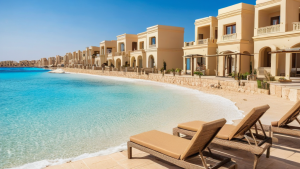
- Stunning Natural Beauty: With its gorgeous beaches, crystal-clear waters, and picturesque landscapes, Hurghada is a paradise for nature lovers and sun-seekers.
- Affordability: Compared to other popular destinations, the cost of living in Hurghada remains low, making it an attractive option for those who want to stretch their budgets further.
- Robust Infrastructure: The city has a growing infrastructure that includes healthcare facilities, schools, shopping areas, and entertainment options, catering to the needs of remote workers and their families.
- Cultural Experiences: The rich history and vibrant culture of Hurghada offer a rewarding lifestyle, where residents can explore ancient monuments, traditional markets, and local eateries.
The trend of remote working has led to a surge in demand for different types of properties in Hurghada. This includes:
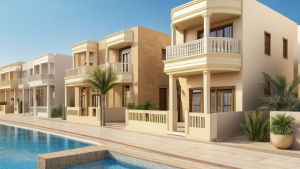
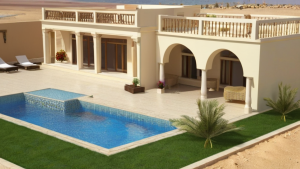
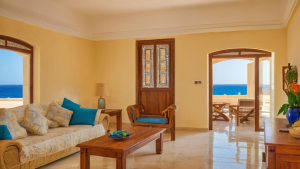
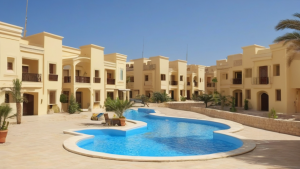
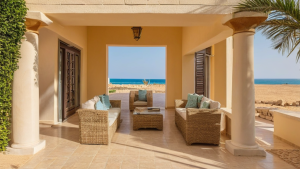
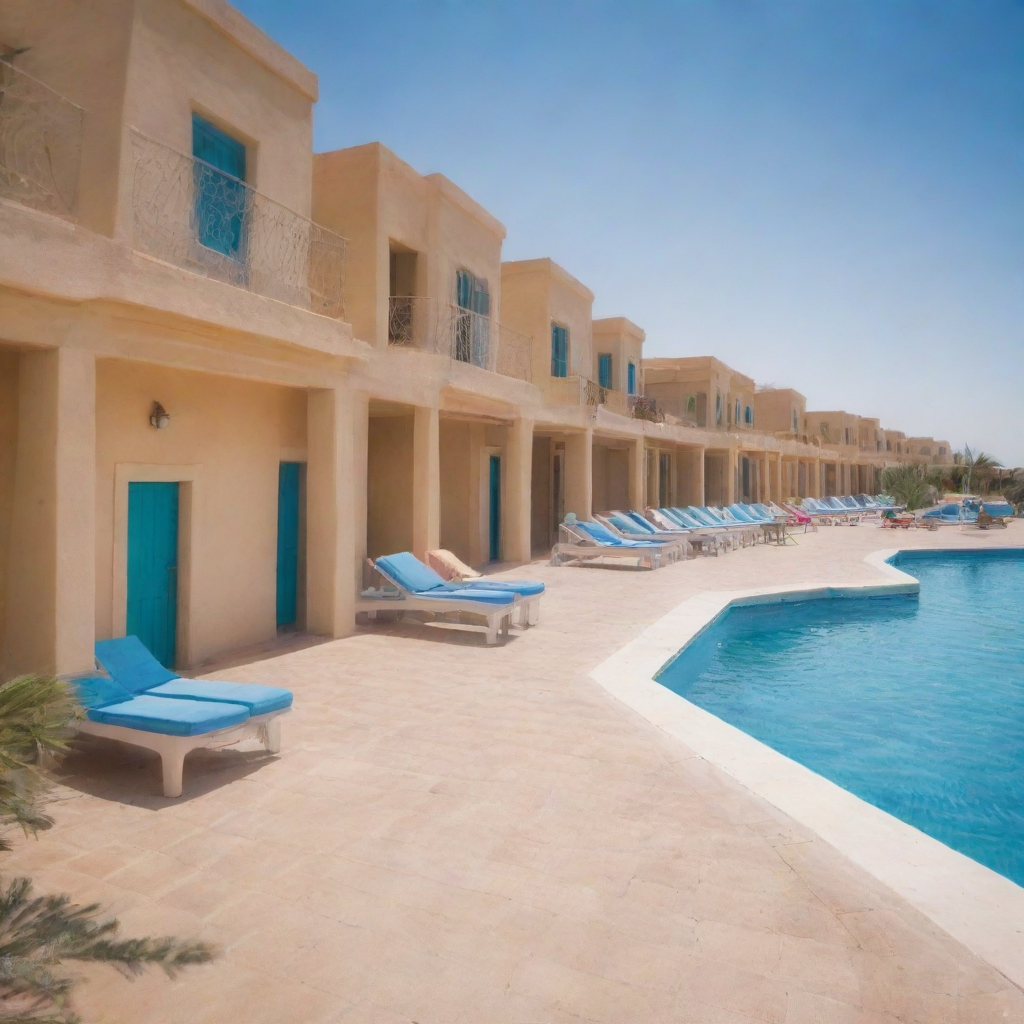
- Luxury Villas: Many remote workers seek space and comfort, leading to increased interest in luxury villas that provide amenities like private pools, gardens, and stunning sea views.
- Apartments: Individuals and small families often look for modern apartments that offer convenient access to beaches and local attractions, making these properties highly sought after.
- Vacation Homes: With the flexibility to work from anywhere, some buyers are investing in vacation homes for personal use and potential rental income, creating a thriving short-term rental market.
As demand rises, real estate developers are responding by introducing various projects that cater to the needs and desires of remote workers. New residential complexes featuring co-working spaces, gyms, and community areas are becoming essential amenities in property offerings. These developments encourage connectivity and collaboration, allowing residents to balance professional and personal life while enjoying a fruitful lifestyle.
Urban planning initiatives are also taking shape to accommodate the growing population of remote workers. The local government is investing in parks, public spaces, and transportation systems, creating a more livable environment. With improved connectivity, it becomes even easier for residents to enjoy the natural beauty surrounding them while working effectively from home.
Additionally, the appeal of Hurghada extends beyond its physical attributes. The warm climate allows for year-round outdoor activities ranging from snorkeling and diving to hiking and cycling. Such opportunities not only enhance the quality of life for residents but also allow remote workers to recharge outside of their work hours.
Networking opportunities in the area are also growing, with meetups and professional gatherings dedicated to remote workers. This develops a sense of community and connection, reducing the feelings of isolation that can come with remote work. Collaborative events provide valuable resources and insights for professionals, adding to the appeal of living in Hurghada.
The remote work trend is fostering a noteworthy increase in real estate demand in Hurghada, Egypt. As more individuals seek out picturesque surroundings coupled with modern amenities and a cooperative environment, the city is set to become a prime location for those looking to balance career and lifestyle. With its affordability, quality of life, and continuous development, Hurghada has become a focal point for many remote workers seeking their next home.
As the world continues to adapt to flexible working conditions, understanding how urban landscapes evolve is critical. For those considering making a move, evaluating the opportunities in Hurghada not only benefits their professional life but enriches their overall well-being.
The impact of digital nomadism on Hurghada’s housing market
The rise of digital nomadism has transformed how people work, travel, and even where they choose to live. For many, the ability to work remotely has opened doors to new, exciting locations that were once only dream destinations. Among these is Hurghada, Egypt, a vibrant city by the Red Sea that combines stunning landscapes with a burgeoning housing market. The influx of digital nomads is dramatically changing the architectural and real estate landscape in the area.
One of the most significant impacts of digital nomadism on Hurghada’s housing market is the shift in property demand. As more remote workers seek to escape the traditional office environment, they are drawn to Hurghada’s alluring climate and lifestyle. This trend has caused a surge in housing demand, particularly for rental properties that offer flexible leasing options.
Factors driving demand in Hurghada
Several factors are contributing to the increasing popularity of Hurghada among digital nomads:
- Affordable Cost of Living: Compared to many Western countries, the cost of living in Hurghada is relatively low. Rent, food, and entertainment are affordable, making it an attractive destination for remote workers looking to maximize their incomes.
- Natural Beauty: Hurghada is well-known for its stunning beaches, clear waters, and outdoor recreational activities. Many digital nomads are enticed by the possibility of working with a view of the Red Sea or catching a quick dive after finishing work.
- Community and Networking Opportunities: As more remote professionals flock to the area, a supportive community has formed. Co-working spaces and networking events thrive, allowing digital nomads to connect, collaborate, and share experiences.
- Improving Infrastructure: The Egyptian government has made significant investments in developing infrastructure, including internet connectivity and transport facilities, making it easier for remote workers to settle in and work efficiently.
Changing housing dynamics
The demand for specific types of housing is evolving. Traditional long-term leases are still prevalent but are increasingly complemented by short-term rentals, such as Airbnb-style accommodation. This dynamic creates various options for digital nomads who might prefer flexibility in their living arrangements. Some key changes include:
- Rise of Furnished Apartments: Many landlords are now offering fully furnished apartments tailored to the needs of remote workers. High-speed internet, functional workspaces, and modern amenities are becoming standard features.
- Luxury Rentals: Alongside traditional offerings, there is a notable rise in demand for luxury properties. Coastal villas and high-end condos with breathtaking views are now on the market, appealing to digital nomads looking for a premium lifestyle.
- Shared Accommodations: Co-living spaces are gaining traction among young digital nomads who enjoy the community aspect of shared living while still having a private space to work.
Challenges in the housing market
While the digital nomad trend presents exciting growth opportunities, it also poses challenges for the local housing market:
- Increasing Prices: The influx of remote workers has led to rising rental prices, which can make it challenging for local residents to secure affordable housing.
- Competition for Rentals: Local seekers may find it difficult to compete with digital nomads who are often willing to pay more for convenience and amenities.
- Regulation and Compliance: As demand for short-term rentals increases, local governments may impose new regulations that could affect both landlords and tenants.
The transformation of Hurghada’s housing market due to digital nomadism is a vivid example of how work trends can influence real estate dynamics. With its unique blend of affordability, community, and stunning landscapes, Hurghada is becoming a prime destination for remote workers worldwide. As this trend continues, the housing market will likely keep adapting to meet the changing needs and desires of those who choose to blend work and travel in this beautiful part of Egypt.
An analysis of the amenities desired by remote workers in Hurghada
In recent years, the allure of remote work has led many individuals to rethink their living arrangements, driving them to consider desirable locations like Hurghada, Egypt. As professionals embrace the flexibility that comes with working from home, it’s critical to recognize the importance of amenities that cater to this new lifestyle. Understanding what remote workers seek can greatly influence the real estate market in Hurghada.
When evaluating the amenities desired by remote workers in Hurghada, several key factors come into play. These amenities enhance the remote working experience and significantly affect the residential choices of potential homebuyers. Here’s a closer look at the varied amenities these professionals are looking for:
Reliable High-Speed Internet
In today’s digital world, a strong and dependable internet connection is non-negotiable for remote workers. Most need to attend virtual meetings, manage emails, and collaborate on projects throughout the day. Hence, properties that offer reliable high-speed internet are highly coveted. Many remote workers prioritize finding homes in areas known for stable internet infrastructure, ensuring their productivity won’t be jeopardized.
Work-Friendly Spaces
The necessity for dedicated office or workspace has grown significantly. Remote workers prefer homes with:
- Private offices or separate rooms to limit distractions.
- Well-lit areas to foster a conducive working environment.
- Ergonomic furniture that supports health and productivity.
Having a designated workspace allows for a clear separation between work and leisure, which is essential for maintaining a healthy work-life balance.
Proximity to Amenities and Services
Remote work doesn’t mean isolation. Workers appreciate living close to various essential services. Key amenities include:
- Grocery stores and supermarkets for easy access to supplies.
- Cafes or coworking spaces that provide an alternative workspace.
- Fitness centers or parks for exercise and relaxation.
Convenience plays a significant role in the attraction of residential areas, making locations near amenities more desirable for remote workers.
Health and Wellness Facilities
Working from home can lead to a sedentary lifestyle, so health and wellness facilities are essential. Many remote workers seek homes near:
- Gyms and fitness classes that promote physical activity.
- Spa and wellness centers for stress relief.
- Outdoor spaces, such as parks or beaches, that encourage outdoor activities.
Having these options nearby not only promotes a healthy lifestyle but also aids in mental well-being, which is crucial for remote workers who may experience feelings of isolation.
Community and Networking Opportunities
Many remote workers value the chance to connect with others, which is why vibrant community spaces and networking opportunities are significant. As such, homes located in or near:
- Co-living spaces that facilitate social interaction.
- Community events or organizations that cater to like-minded individuals.
- Networking hubs for professionals from various fields.
A thriving community helps remote workers feel more engaged and less isolated, fostering both personal and professional growth.
Sustainable Living Options
As employees become increasingly aware of their environmental impact, sustainability has become a priority. Remote workers often look for properties that offer:
- Energy-efficient appliances that reduce utility costs.
- Proximity to public transport options to lower carbon footprints.
- Sustainable building materials that promote environmental conservation.
Living in eco-friendly spaces not only benefits the planet but also enhances the quality of life, which is hugely attractive to today’s remote workers.
With these amenities in mind, it’s clear that remote work is not just a trend; it’s shaping the real estate market in Hurghada significantly. As more professionals are drawn to the region for its charm and tranquility, understanding these preferences ensures that the local real estate market can evolve accordingly. By catering to the needs of remote workers, property developers and sellers can take advantage of this burgeoning demand, ultimately fostering a thriving community of remote professionals in beautiful Hurghada.
Comparisons between urban and coastal living for remote workers in Egypt
As more professionals embrace remote work, the choice between urban and coastal living is increasingly relevant. Each lifestyle offers unique advantages and drawbacks that impact remote workers in Egypt. Navigating these options can ultimately shape personal and professional satisfaction. Let’s explore the key differences and considerations for remote workers weighing these living environments.
Cost of living
One of the primary factors influencing location choice is the cost of living. Generally, urban areas like Cairo and Alexandria might offer more amenities but come with higher expenses.
- Urban Living: Higher rent and transportation costs are common in cities. However, access to coworking spaces and networking opportunities might justify these expenses for some.
- Coastal Living: Cities like Hurghada and Sharm El Sheikh typically have lower costs. You can find reasonably priced housing closer to the sea, while still enjoying essential amenities.
Work-life balance
Remote work thrives on a healthy work-life balance, which varies greatly between urban and coastal settings.
- Urban Living: The hustle and bustle of city life can be both beneficial and overwhelming. While there are endless cultural opportunities, the noise and congestion may disrupt focus and relaxation.
- Coastal Living: Coastal cities usually provide a more serene atmosphere. With beautiful beaches and warm weather, the surroundings naturally promote a balanced lifestyle, encouraging outdoor activities and relaxation.
Community and networking opportunities
The sense of community plays a vital role, especially for remote workers who rely on connections for collaboration and support.
- Urban Living: Urban environments often attract a diverse group of people, which can lead to rich networking opportunities. Many startups and tech hubs are located in cities, opening doors for collaboration.
- Coastal Living: While coastal towns may have smaller populations, they often foster tight-knit communities. Workers can connect with others who share similar interests, particularly in leisure and wellness activities.
Access to amenities
Accessibility to amenities varies, and this can significantly impact daily life for remote workers.
- Urban Living: The abundance of amenities in cities is unmatched. From cafes and gyms to hospitals and shopping centers, everything is within reach. This can contribute to convenience and productivity.
- Coastal Living: Coastal areas boast natural amenities, such as beaches and parks, promoting a healthier lifestyle. However, less commercial development may result in fewer options for dining and recreational activities.
Internet connectivity and infrastructure
Reliable internet is a cornerstone for remote work. Understanding the infrastructure in both settings is crucial for a smooth working experience.
- Urban Living: Cities usually have advanced telecommunications infrastructure. High-speed internet and technology services are generally more accessible, which is crucial for productivity.
- Coastal Living: While many coastal cities offer decent internet speeds, some regions may lag behind urban centers. It’s essential to research specific locations to ensure adequate connectivity for work needs.
Outdoor activities and lifestyle
Increased emphasis on outdoor living and healthy lifestyles has led many remote workers to consider the lifestyle offered by coastal living.
- Urban Living: Urban spaces may have parks and recreational facilities, but the opportunities for direct interaction with nature may be limited. City life can sometimes feel confining.
- Coastal Living: From swimming and snorkeling to hiking and yoga on the beach, coastal locations encourage an active lifestyle. This not only improves physical health but also boosts mental well-being.
Choosing between urban and coastal living significantly influences the experience of remote workers in Egypt. Each location offers a unique blend of advantages and challenges, allowing individuals to align their lifestyle with their work preferences and personal values. Ultimately, it’s about striking a balance that fosters both productivity and happiness.
Future trends: the long-term implications of remote work on Hurghada’s real estate market
The rise of remote work is reshaping many markets, and Hurghada, Egypt, is no exception. As professionals around the world embrace flexible working arrangements, cities like Hurghada become not just vacation spots but viable long-term living options. This shift results in significant implications for the local real estate market, driven by both local and international demand for property. Understanding these changes is crucial for stakeholders in the real estate sector.
One of the primary drivers of heightened real estate interest in Hurghada is the city’s unique blend of natural beauty, reasonable living costs, and developing infrastructure. With stunning beaches and a rich cultural heritage, Hurghada attracts a diverse population eager for a change in lifestyle. Individuals now have the opportunity to balance work and leisure in a more picturesque setting. Let’s take a closer look at the factors influencing this trend.
Increased mobility and lifestyle changes
As people adapt to remote work, many are seeking environments that enhance their quality of life. This trend leads to an increase in property demand in areas known for their appealing lifestyle. In Hurghada, the following factors play a vital role:
- Climate: The warm climate offers year-round sunshine, making it a desirable location for expatriates and locals alike.
- Affordable Living: Compared to many Western countries, the cost of living in Hurghada is significantly lower, enticing remote workers looking to stretch their budgets.
- Healthcare Facilities: Improved healthcare services and amenities are attractive to those relocating with families.
1. surge in demand for residential properties
As remote work transforms previous notions of the workplace, many professionals are seeking permanent residences rather than temporary rentals. This shift results in a surge in demand for:
- Apartments: High-rise apartment buildings with modern facilities are becoming increasingly popular among young professionals.
- Villas: Families desire larger living spaces, leading to a greater demand for villas that accommodate both work and leisure.
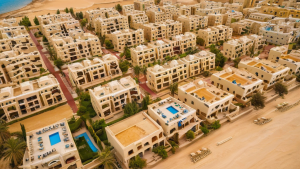
- Gated Communities: Enhanced security and communal amenities in gated communities are very appealing, especially to foreigners considering long-term stays.
The increase in both local and foreign investors looking to capitalize on this trend is also reshaping the real estate market. As more professionals decide to relocate to Hurghada, developers are focusing on construction projects that meet the needs of this growing demographic.
2. emergence of co-working spaces and digital infrastructure
To cater to the demands of remote workers, the need for functional co-working spaces is on the rise. Professionals are seeking offices outside their homes, and Hurghada is beginning to see investments in such facilities. The development of co-working spaces offers several advantages:
- Enhanced Productivity: Working in a dedicated space can lead to greater productivity compared to working from home.
- Networking Opportunities: Co-working spaces foster collaboration among entrepreneurs and creatives.
- Technology Access: These spaces are designed with robust internet infrastructure, a necessity for remote work.
As more co-working spaces emerge, this creates additional rental opportunities and attracts professionals seeking flexible working conditions.
3. long-term economic growth
The influx of remote workers has profound implications for the local economy of Hurghada. When professionals move to the city, they contribute to the economy through their consumption of goods and services. This includes:
- Local Businesses: An increased population supports local shops, cafes, restaurants, and entertainment venues.
- Increased Employment: Local job opportunities may expand in sectors such as hospitality, real estate management, and service industries.
- Investment in Infrastructure: As demand rises, local government and private investors are likely to enhance the city’s infrastructure, including transportation and utilities.
The continued growth of remote work will drive development projects, further solidifying Hurghada as a hub for both living and working.
As remote work becomes entrenched in our culture, the real estate landscape in Hurghada will continue to evolve. The city’s natural allure combined with the modern necessities that remote work demands presents an exciting prospect for ongoing development and investment opportunities.
For both buyers and investors, understanding this trend is essential for making informed choices about potential purchases or investments in Hurghada’s real estate market. As the city adapts to these changes, the long-term implications will shape Hurghada into a premier destination for those seeking a blend of work and leisure in their lives.
The shift to remote work has reshaped the real estate landscape in Hurghada, Egypt, making it a prime destination for digital nomads and remote workers. The influx of individuals seeking a better work-life balance has driven demand for various housing options that cater to their specific needs and preferences. With many moving away from urban areas, Hurghada’s coastal charm and picturesque environment have become increasingly appealing.
Digital nomadism has not only influenced where people choose to live but also the types of amenities they prioritize. From high-speed internet to coworking spaces, remote workers seek residences that enhance their productivity while providing recreational opportunities to unwind. This evolving demand has prompted local developers to adapt and create housing solutions tailored to professionals navigating this new lifestyle.
Additionally, comparing urban and coastal living reveals vast preferences among remote workers. While some thrive in bustling cities filled with activity, many are drawn to Hurghada’s serene coastal environment, which offers a unique opportunity to blend work with leisure.
Looking forward, the implications of remote work on Hurghada’s real estate market appear promising. As more individuals embrace flexible working arrangements, the city is poised for growth. This trend may lead to an increased investment in infrastructure, amenities, and housing developments to accommodate the rising demand. Hurghada stands at a pivotal moment, ready to leverage its unique offerings to attract a new wave of residents seeking a balanced, fulfilling lifestyle shaped by remote work opportunities. The future holds the potential for Hurghada to become not just a vacation spot but a vibrant community for remote workers looking for their ideal living and working environment.