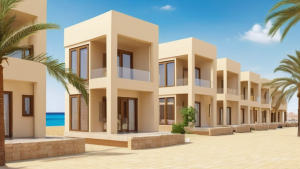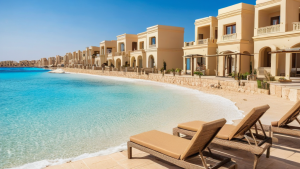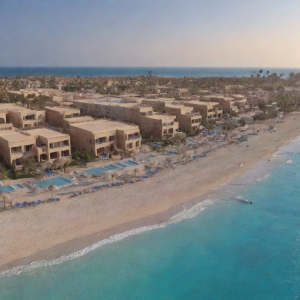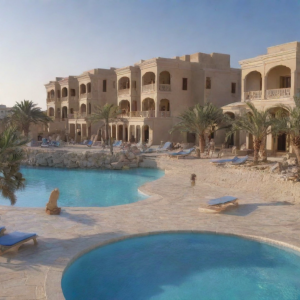
Summary about owning and buying property in Hurghada, Egypt.
- On the other hand, leasehold property means that you own the property for a specified period, usually ranging from 30 to 99 years, but you do not own the land it stands on.
- Whether you choose a freehold property for its permanence and flexibility or a leasehold property for its initial affordability, both ownership types have their advantages in the vibrant market of Hurghada.
- The real estate market in Hurghada has much to offer, and knowing the nuances of property ownership will put you ahead in your journey.
- The Benefits of Leasehold Property Ownership in HurghadaWhen considering property ownership in Hurghada, one option that stands out is leasehold property ownership.
- Leasehold property ownership means that you own the property for a fixed term, typically ranging from 30 to 99 years, while the land on which the property sits remains under the ownership of a freeholder.
Leasehold vs freehold properties: key differences in Hurghada, Egypt
If you’re looking at properties in Hurghada, Egypt, you will likely come across two terms: leasehold and freehold. Understanding the difference between these two types of property ownership is essential, especially for foreign investors and buyers. Each comes with its own benefits and restrictions that can significantly affect your investment. Let’s break them down.
What is freehold property?
Freehold property means that you own the property and the land it stands on outright. This type of ownership is particularly appealing for both local and international buyers. Here are some key points about freehold properties:
- Full Ownership: You have complete control over the property without any time limitations.
- Lifespan of Ownership: You own the property indefinitely.
- Flexibility: You have the freedom to make alterations, renovations, or resell the property as you wish.
In Hurghada, freehold properties are often favored by foreigners because they allow for greater investment opportunities and security regarding ownership. Many new developments in beachfront locations are offered as freehold, making them an attractive choice for those looking for luxury living in Egypt.
What is leasehold property?
On the other hand, leasehold property means that you own the property for a specified period, usually ranging from 30 to 99 years, but you do not own the land it stands on. Here are some important aspects of leasehold properties:
- Limited Time: Your ownership is time-bound, meaning it will eventually revert back to the ground landlord when the lease expires.
- Ground Rent: You may need to pay an annual ground rent to the landowner.
- Restrictions: There may be limitations on modifications or transfers of leasehold ownership.
Leasehold properties in Hurghada can be a more affordable option, especially for first-time buyers or investors. Many luxury developments offer leasehold agreements, making it easier for buyers to enter the market.
Key differences between leasehold and freehold properties
When comparing leasehold and freehold properties, several key differences stand out:
- Ownership Duration: Freehold is permanent, while leasehold is temporary.
- Land Ownership: Freehold includes the land; leasehold does not.
- Investment Security: Freehold provides more security in ownership compared to leasehold.
- Cost: Leasehold properties can often be less expensive upfront, while freehold offers potential appreciation over time.
Considerations for buying in Hurghada
When you’re thinking about investing in either type of property in Hurghada, there are a few key considerations:
- Legal Advice: Make sure to seek local legal counsel to understand the rules and regulations around property ownership in Egypt.
- Development Plans: Research which areas are developing and how this can affect future property value.
- Resale Potential: Think about how easy it will be to sell your property later down the road.
Understanding the differences between leasehold and freehold properties can help you make an informed decision that aligns with your investment goals. Whether you choose a freehold property for its permanence and flexibility or a leasehold property for its initial affordability, both ownership types have their advantages in the vibrant market of Hurghada.
Regardless of the choice you make, always ensure you are well-informed and that your investment aligns with your long-term goals. The real estate market in Hurghada has much to offer, and knowing the nuances of property ownership will put you ahead in your journey.
The benefits of leasehold property ownership in Hurghada
When considering property ownership in Hurghada, one option that stands out is leasehold property ownership. This model has gained traction among both locals and expatriates due to its unique benefits. Understanding these advantages can help you make an informed decision that suits your lifestyle and investment goals.
Leasehold property ownership means that you own the property for a fixed term, typically ranging from 30 to 99 years, while the land on which the property sits remains under the ownership of a freeholder. This arrangement has become popular in Hurghada for various reasons that can enhance your living experience and investment potential.
Affordability
One of the most appealing benefits of leasehold properties is their affordability. When compared to freehold properties, leasehold options are generally priced lower. This affordability opens doors for first-time buyers and investors who may not have the budget for a freehold property. It makes it easier for you to enter the real estate market in Hurghada without stretching your finances.
Access to prime locations
Many leasehold properties are strategically located in prime areas of Hurghada, often offering breathtaking views and proximity to key amenities such as beaches, restaurants, and shops. By opting for a leasehold property, you can enjoy living in the heart of Hurghada without the high price tag that often accompanies freehold options in these desirable locations.
Maintenance and management
Another significant advantage is the reduction in responsibility regarding property maintenance. In many cases, leasehold properties come with management services that handle upkeep and repairs. This means you can enjoy your time in Hurghada without the stress that comes with managing a property. This arrangement is especially beneficial for expatriates who may wish to utilize their property for vacation rentals or who reside there part-time.
Potential for long-term investment
While leasehold properties may seem like a shorter-term commitment, they can still be excellent long-term investments. As the demand for housing increases in Hurghada, the value of leasehold properties may also appreciate over time. Therefore, you can still benefit financially while enjoying the current use of your property.
Community living
Leasehold properties often belong to larger developments that foster a sense of community. These developments can include amenities such as pools, gyms, and communal areas. Living in such environments allows you to meet neighbors and enjoy social interactions, providing a stronger sense of belonging in your new home.
Regulations and legal framework
In Egypt, leasehold property agreements come with important regulations that offer a layer of security to owners. It’s essential to have a good understanding of the legal framework associated with leasehold properties. This can provide peace of mind, knowing that your investments are protected under local laws. Always work closely with a knowledgeable real estate agent or legal advisor to ensure you are fully informed about your rights and obligations.
Flexibility in ownership
Leasehold ownership can offer flexibility, particularly for those who are not ready to commit to a freehold property. If your plans change, it may be easier to sell or transfer a leasehold property compared to a freehold one. This flexibility means you can adapt your living situation as your needs evolve.
How to choose the right leasehold property
- Research Areas: Spend time researching different neighborhoods in Hurghada to find the best fit for your lifestyle.
- Understand Terms: Carefully review the terms of the leasehold agreement, including duration and renewal options.
- Look for Amenities: Check what amenities are included in the development to find a place that suits your lifestyle.
- Consult Professionals: Engage with a real estate agent to help navigate the buying process and ensure all legal requirements are met.
By understanding the benefits of leasehold property ownership in Hurghada, you can make a decision that not only meets your immediate needs but also serves your long-term investment goals. Whether you’re looking to relocate, retire, or invest in a vacation home, leasehold properties can be a worthwhile option to explore.
Understanding freehold properties: what you need to know
When considering property ownership, understanding the distinction between freehold properties and leasehold properties is crucial. In specific markets like Hurghada, Egypt, the concept of freehold properties holds particular significance. Freehold ownership grants you complete control over your property and land, unlike leasehold, where ownership is more restricted.
A freehold property means that you own the property outright. This includes both the building and the land it sits on. Here’s a detailed look at freehold properties and what you should know:
Ownership rights
When you purchase a freehold property, you have full ownership rights. This typically means:
- You can modify or renovate your property as you see fit, subject to local regulations.
- You can sell or rent your property without needing permission from a landlord.
- You enjoy long-term security because you hold the title to the property indefinitely.
Advantages of freehold properties
Investing in a freehold property offers several benefits:
- Investment Stability: Freehold properties tend to appreciate in value over time, making them a solid long-term investment.
- No Ground Rent: As the owner, you do not have to pay ground rent, which is a common requirement for leasehold properties.
- Control of Your Assets: You have complete freedom over how you live in and manage your property.
Legal considerations
When you venture into buying a freehold property in Hurghada, it’s important to keep several legal aspects in mind:
- Title Deeds: Ensure the property has clear title deeds. This shows that the seller has the legal right to sell the property free of any encumbrances.
- Building Regulations: Familiarize yourself with local building regulations and zoning laws to avoid complications when making modifications.
- Taxes and Fees: Research the property taxes and transaction fees associated with purchasing a freehold property.
Maintenance responsibilities
As the owner of a freehold property, you are responsible for its maintenance and upkeep. This can include:
- Repairing and maintaining the structure, roof, and exterior.
- Ensuring that utilities and services are in good working condition.
- Landscaping and outdoor maintenance.
While this may seem overwhelming, many owners take pride in maintaining their properties, which can enhance both their enjoyment and investment value.
Market trends in Hurghada
Understanding the market trends in Hurghada can help you make informed decisions about freehold property investments. The real estate market here is evolving, with an increasing demand for properties that offer complete ownership. Factors that influence this include:
- Tourism Growth: Hurghada is a popular tourist destination, driving property demand and increasing potential rental income for owners.
- Foreign Investment: More expatriates are looking to invest in freehold properties in Hurghada, further boosting the local real estate market.
- Infrastructure Development: Ongoing improvements in infrastructure and amenities make Hurghada a more attractive location to live and invest.
Buying process
The process of acquiring a freehold property in Hurghada typically involves several steps:
- Research: Investigate various neighborhoods and property types to find what suits your needs and budget.
- Engage a Real Estate Agent: A local agent familiar with the market can provide valuable insights and help you navigate the buying process.
- Conduct Due Diligence: Inspect the property and verify all legal documents before making an offer.
- Finalize Financing: Understand your financing options, whether through local banks or other financial institutions.
- Close the Deal: Once everything is in order, you’ll finalize the purchase agreement and any necessary legal documentation.
Owning a freehold property in Hurghada presents a wealth of opportunities and potential rewards. Understanding the ins and outs of freehold real estate will empower you to make well-informed decisions. Whether you seek a permanent home or a vacation rental, becoming familiar with the local property landscape will greatly benefit your investment journey. Take the time to educate yourself and consult with property experts in the area to maximize your prospects.
Legal aspects of purchasing property in Hurghada
Purchasing property in Hurghada, Egypt, can be an exciting venture, but it’s crucial to understand the legal aspects involved to protect your investment and avoid potential pitfalls. The legal framework surrounding property ownership, especially for foreign buyers, includes specific rules and regulations that must be followed. This guide will walk you through key points to consider when navigating the property market in Hurghada.
First, it is important to determine the type of property you are buying. In Hurghada, properties can either be leasehold or freehold. A leasehold property gives you the right to use the property for a designated period, typically 99 years, after which the ownership reverts to the landowner. On the other hand, a freehold property grants full ownership rights, allowing you to own the land and the building on it. Understanding these differences can help you make a more informed decision.
For foreigners, buying property in Egypt requires specific considerations. Foreigners are permitted to own property in Egypt, but they can only own a freehold property in designated areas. In Hurghada, this means you can buy in resorts or areas classified for foreign investment. Be cautious, as purchasing outside these zones can result in complications or invalid ownership.
Before making a purchase, it’s advisable to understand the costs associated with buying property. Here are some fees and costs to consider:
- Property Taxes: You will need to pay an annual property tax, which varies depending on the property value.
- Registration Fees: If you buy a freehold property, you’ll incur registration fees, generally 3% of the property’s value.
- Notary Fees: When finalizing your transaction, notary fees may apply, which can range from 1 to 2%.
- Legal Assistance: Engaging a local lawyer to guide you through the legal process can also add to your costs but is highly recommended for peace of mind.
It is critical to conduct thorough due diligence before finalizing your property purchase. This includes verifying the title deed, ensuring the property has no liens or debts, and confirming that the seller is the rightful owner. Additionally, it’s wise to have a real estate agent who understands the local market and legalities. A reputable agent can provide crucial insights and help you avoid scams or misrepresentations.
When you move forward with a purchase, you will enter a sales agreement. This contract outlines the terms and conditions of the sale and should include details such as the price, payment schedule, and any contingencies. Be sure to have this agreement reviewed by a legal professional. Your lawyer will ensure the contract complies with local laws and protects your interests.
Once you have signed the sales agreement, the next step involves obtaining the necessary approvals and permits. The legal process for property acquisition includes submitting your sales agreement to local authorities for approval. This can take some time, so patience is essential. Your lawyer can assist you by preparing the necessary documents and ensuring compliance with local procedures.
After receiving approval, you will complete the property registration process. This includes registering the property with the Egyptian Ministry of Justice and obtaining a title deed. The title deed is vital as it serves as proof of ownership. Securing this document should be a top priority to prevent disputes over property rights in the future.
Understanding the legal aspects of purchasing property in Hurghada is fundamental for a successful investment. From knowing the differences between leasehold and freehold properties to engaging legal help and conducting thorough due diligence, each step is important. Equip yourself with knowledge, seek professional advice, and ensure you are adhering to the local laws protecting your investment in this beautiful seaside city.
Tips for first-time buyers: navigating the Egyptian real estate market
If you’re a first-time buyer looking to immerse yourself in the Egyptian real estate market, it’s essential to grasp some vital tips that can make your journey smoother and more rewarding. The property market in Egypt, especially in bustling areas like Cairo and seaside locations such as Hurghada, presents unique opportunities and challenges. Here’s your guide to navigating this exciting investment landscape.
Understanding the market
Before making any decisions, take the time to research the Egyptian real estate market. The landscape is diverse, with urban developments in major cities and more tranquil options along the coast. Look into the following:
- Market Trends: Observe current pricing, demand, and the types of properties available. Rising property values might indicate a good time to invest.
- Location Variability: Prices can vary significantly between urban and rural areas. Coastal cities like Hurghada often attract tourists and expatriates, which can affect property value.
Legal aspects of buying property
Understanding the legal framework surrounding property ownership in Egypt is crucial. Here are some key points to consider:
- Foreign Ownership Rights: As a foreigner, you are allowed to own property in Egypt, but there are regulations. Generally, you can own up to two properties in designated areas.
- Leasehold vs. Freehold: Be aware of the difference. Freehold means you own the land and property outright, while leasehold involves a long-term lease.
- Documentation: Ensure that all paperwork is complete and that the property has a clear title. Ideally, work with a legal advisor familiar with Egyptian property laws.
Financing your purchase
Financing can be one of the most confusing aspects of buying property. Here’s what you should know:
- Cash Transactions: In Egypt, cash is a common mode of transaction in real estate. If you can afford it, this could simplify the buying process.
- Loans: If you require financing, compare mortgage offers from local banks. Interest rates and terms can vary widely, so read the fine print!
- Currency Considerations: Consider how fluctuating exchange rates can impact your investment, especially if you’re buying as a foreigner.
Choosing the right property
When selecting a property, think carefully about your needs and goals. Here are some tips:
- Define Your Budget: Determine how much you are willing to spend and stick to it. This will help you filter out properties that do not meet your expectations.
- Investment Goals: Are you looking for a vacation home, a rental property, or a long-term residence? Your intentions will influence your property choice.
- Property Features: Pay attention to the amenities, size, and condition of the property. A well-maintained property often requires less immediate investment.
Engage a real estate agent
Engaging a professional real estate agent can be invaluable, especially if you are unfamiliar with the market. They can offer insights like:
- Expert Knowledge: A good agent understands the local market and can guide you towards suitable properties.
- Negotiation Skills: Agents can negotiate on your behalf, potentially saving you money on the final purchase price.
- Local Connections: Having an agent may provide access to properties not widely advertised, giving you an edge in the market.
Site visits and inspections
Never skip the site visits. Seeing a property in person amplifies your understanding of its value. During your visit, consider:
- Neighborhood Quality: Assess the area, looking for schools, shops, and amenities. Safety and convenience matter!
- Check the Property Condition: Look for any signs of damage or wear and consider hiring a professional inspector to verify the structural integrity.
Get ready for closing
After finding the right property, prepare for the closing process. Make sure you:
- Understand Closing Costs: Know that costs involve not only the purchase price but also fees for registration, legal assistance, and taxes.
- Review Terms Carefully: Read all documents thoroughly before signing, and don’t hesitate to ask questions if there’s anything unclear.
By keeping these tips in mind, you can confidently navigate the Egyptian real estate market. With careful planning and informed decision-making, buying your first property can be a rewarding venture.
Navigating the property landscape in Hurghada, Egypt, can feel overwhelming, especially when considering whether to invest in leasehold or freehold properties. Understanding the key differences between these two types of ownership is crucial for an informed decision. Leasehold properties often offer more affordable entry points and ease of management, which is attractive for many first-time buyers. On the other hand, freehold properties provide a sense of permanence and stability, making them ideal for those looking for long-term investment.
It’s also important to recognize the legal implications of purchasing property in Egypt. Familiarizing yourself with local regulations, taxes, and necessary documentation can make a significant difference in your buying experience.
For first-time buyers, carefully researching both leasehold and freehold options can help in determining which type aligns better with your lifestyle and investment goals. Take advantage of local resources, such as real estate agents and legal advisors, to guide you through this process.
Whenever possible, visit properties in person and conduct thorough due diligence before making any commitments. With a clear understanding of your choices, the legal landscape, and strategic planning, you can confidently navigate the exciting world of real estate in Hurghada. Whether you decide on a leasehold or freehold property, being well-informed will empower you to make a choice that suits your needs and dreams in this vibrant coastal city.