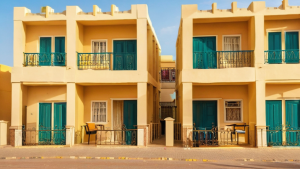
Summary about owning and buying property in Hurghada, Egypt.
- Essential Fire Safety Tips for Homes in Hurghada, EgyptEnsuring fire safety in your home is crucial, especially in a vibrant city like Hurghada, Egypt.
- This guide provides essential tips to help you enhance fire safety in your home, ensuring that you and your loved ones remain safe.
- Being proactive and knowledgeable about fire safety will empower you and your family, promoting a safer living environment in Hurghada.
- Understanding Local Regulations and Safety Codes in Fire PreventionFire safety is crucial in every home, especially in areas like Hurghada, Egypt, where dry climates can increase the risk of fires.
- By adhering to these rules, you can significantly reduce the risk of fire incidents in your home.
Essential fire safety tips for homes in Hurghada, Egypt
Ensuring fire safety in your home is crucial, especially in a vibrant city like Hurghada, Egypt. With warm weather and outdoor living, it’s easy to overlook potential fire hazards. This guide provides essential tips to help you enhance fire safety in your home, ensuring that you and your loved ones remain safe.
Understand common fire hazards
To bolster your fire safety efforts, first, know where risks may lie. Common fire hazards found in many homes include:
- Overheating appliances
- Faulty wiring
- Combustible materials near heat sources
- Unattended cooking equipment
- Smoking materials
By identifying these risks, you can take proactive steps to mitigate them.
Install smoke detectors
Smoke detectors are your first line of defense against fire. It is vital to install them in key areas:
- Each bedroom
- Hallways
- The kitchen or nearby areas
Ensure that you test these devices monthly and replace batteries as needed. This small action can greatly enhance your home’s fire safety.
Keep fire extinguishers handy
Having fire extinguishers in easily accessible locations can save precious minutes during an emergency. Here’s where to place them:
- The kitchen
- Near fireplaces
- In the garage
Make sure everyone in your household knows how to use them. Consider taking a fire safety class to learn more about effective usage in emergencies.
Practice safe cooking habits
Cooking is a leading cause of home fires. To decrease your risk, follow these tips:
- Never leave cooking food unattended.
- Keep flammable items, like paper towels or dish towels, away from the stove.
- Use a timer to remind you when food is ready.
By being attentive while cooking, you can help prevent kitchen fires.
Design an escape plan
In case of a fire, it’s essential to know how to get out safely. Take some time to create an escape plan:
- Identify all exits in your home.
- Plan a meeting point outside where everyone can gather.
- Practice the escape plan regularly with your family.
Practicing these steps can help everyone remain calm and focused in an emergency.
Store flammable materials safely
Proper storage of flammable materials is crucial for fire safety. Here’s what to keep in mind:
- Store gasoline, paint, and other flammable liquids in cool, well-ventilated areas.
- Use metal or heavy-duty plastic containers to reduce the risk of spills.
- Keep these materials away from heat sources or direct sunlight.
These actions can significantly lower the likelihood of a fire igniting from stored items.
Regular maintenance checks
Regular inspections of your home can prevent fires. Follow a checklist that includes:
- Checking for frayed wires on electrical cords
- Ensuring appliances are in good working order
- Cleaning out dryer vents to remove lint buildup
These maintenance tasks can keep your home safe and reduce fire risks.
Stay informed about fire safety
Staying informed about fire safety developments can help you make better choices. Consider:
- Reading local fire safety guidelines available through your community.
- Attending safety seminars hosted by local fire departments.
- Engaging with your community to share knowledge and resources.
Being proactive and knowledgeable about fire safety will empower you and your family, promoting a safer living environment in Hurghada.
Understanding local regulations and safety codes in fire prevention
Fire safety is crucial in every home, especially in areas like Hurghada, Egypt, where dry climates can increase the risk of fires. Understanding local regulations and safety codes is one of the key steps in fire prevention. These regulations are designed to protect residents and property from the dangers of fire. By adhering to these rules, you can significantly reduce the risk of fire incidents in your home.
In Hurghada, fire safety regulations often align with national guidelines while reflecting local needs. It’s essential to familiarize yourself with both local laws and any community-specific safety requirements. This way, you ensure that your home complies with the necessary safety measures.
Local fire safety regulations you should know
In Hurghada, as in other parts of Egypt, fire safety is governed by several important regulations. Here are some of the key points to be aware of:
- Building Materials: Use fire-resistant materials when constructing or renovating your home. This can include treated wood, fire-rated drywall, and other materials designed to withstand high temperatures.
- Electrical Safety: Ensure that all electrical installations meet the standards set by the local authority. Faulty wiring is a common cause of house fires, so consider having a qualified electrician inspect your home.
- Smoke Detectors: Install smoke detectors in key areas, such as bedrooms and hallways. Test them regularly and replace batteries annually to ensure proper functioning.
- Escape Routes: Every home should have a clear escape plan. This should include two exits from each room and a designated meeting place outside the home.
- Fire Extinguishers: Keep at least one fire extinguisher on each floor of your home, particularly in the kitchen and near any heating appliances. Regularly inspect extinguishers to ensure they’re charged.
Key local safety codes
Local safety codes set specific guidelines on how to prepare for and respond to fire emergencies. It’s important to adhere to these codes to not only protect your home but also to ensure the safety of your family. The following are some of the major aspects of these codes:
- Inspection and Maintenance: Regular inspections of fire safety equipment such as alarms and extinguishers are typically required. Make sure to schedule these inspections per local guidelines.
- Fire Warden Systems: Some communities may have requirements for designated fire wardens, especially in multi-family housing. These individuals ensure that everyone knows evacuation plans and performs safety drills.
- Local Fire Department Connections: It’s often advisable to establish a connection with the local fire department. They can provide valuable resources and may conduct community training sessions.
The importance of compliance
Complying with local fire regulations and safety codes not only protects your property but also enhances the overall safety of the community. When every resident ensures their home is safe from fire hazards, it benefits everyone. Lower fire risks can lead to reduced insurance on properties, promoting a safer community atmosphere.
It’s also worth noting that local governments may impose fines for non-compliance. By investing time in understanding and adhering to these regulations, you not only avoid penalties but also contribute to a collective effort to improve safety standards in Hurghada.
Resources for fire safety information
Keeping informed about fire safety in Hurghada can be done through various resources:
- Local Government Websites: These often provide updated fire safety codes and regulations.
- Fire Departments: Local fire departments are a wealth of knowledge and can offer specific guidelines and support.
- Community Workshops: Participate in workshops offered by local authorities or fire departments to stay current on fire safety best practices.
Implementing the right fire safety measures in your home is essential for protecting your family and property. By understanding and following local regulations and safety codes in Hurghada, you take proactive steps toward a safer living environment.
Common fire hazards in Hurghada homes and how to avoid them
Understanding the common fire hazards in Hurghada homes is crucial for ensuring the safety of your family and property. Being proactive can help you prevent potential fire accidents. Here are some prevalent fire hazards and practical strategies to mitigate them.
One of the significant hazards in many homes is faulty electrical wiring. In Hurghada, older buildings may have outdated electrical systems that can easily spark a fire. To avoid this risk, consider these steps:
- Have a qualified electrician inspect your home’s wiring.
- Replace damaged or frayed cords immediately.
- Avoid overloading sockets by plugging in too many appliances.
Another common danger is the use of heating appliances, especially during the cooler months. Space heaters can be a major concern if not used properly. To minimize risks:
- Keep flammable materials like curtains and furniture away from heaters.
- Turn off heaters when leaving the room or going to bed.
- Always follow the manufacturer’s guidelines for usage.
Cooking is a leading cause of home fires in many regions, including Hurghada. Unattended cooking can quickly lead to disaster. To keep your kitchen fire-safe, you should:
- Never leave the stove unattended while cooking.
- Keep a fire extinguisher in or near the kitchen.
- Regularly clean grease buildup from stoves and ovens.
Open flames in the form of candles pose another risk, particularly during festive times or when power outages occur. If you enjoy using candles, adhere to these safety guidelines:
- Place candles on stable surfaces and away from flammable items.
- Always extinguish candles before leaving the room or going to bed.
- Consider using battery-operated candles as a safer alternative.
Gas appliances are widespread in many Hurghada homes, used for cooking, heating, and hot water systems. Leaks can be hazardous. You can enhance safety by:
- Regularly checking for gas leaks by using soapy water on connections; bubbles will indicate a leak.
- Installing a carbon monoxide detector if you have gas appliances.
- Ensuring proper ventilation when using gas-powered devices.
Moreover, clutter in your home can increase fire risk by providing fuel for flames. To maintain a fire-safe environment, keep your spaces organized:
- Regularly declutter living spaces and storage areas.
- Dispose of old newspapers, magazines, and cardboard that can catch fire easily.
It is essential to have an emergency plan and equipment in place in case of a fire. This includes:
- Installing smoke detectors on every level of your home and testing them monthly.
- Creating a family escape plan that encompasses all exits in the home.
- Educating family members about stop, drop, and roll, in case of clothing catching fire.
If you live in a community with communal facilities, understand their fire regulations. Often, these areas have specific guidelines for using shared amenities that may involve fire hazards.
By being aware of these common fire hazards in Hurghada homes and actively working to avoid them, you can greatly reduce the risk of fire accidents. Make fire safety a part of your daily routine to keep your family and home safe.
The importance of fire alarms and extinguishers in household safety
Fire safety is a crucial aspect of household safety that many people may overlook until it’s too late. The sad reality is that fires can occur unexpectedly, and their consequences can be devastating. That’s where fire alarms and extinguishers come into play. Understanding their importance and ensuring they are present in your home can save lives and protect property.
Fire alarms serve as the first line of defense against fire hazards. They are designed to alert you to smoke or flames, giving you vital time to evacuate and call for help. Here are some key points to consider about fire alarms:
- Early Warning: Smoke alarms can detect smoke before a fire becomes uncontrollable. An early warning can mean the difference between a safe escape and potential tragedy.
- Maintenance: Regular maintenance is essential. Fire alarms should be tested monthly, and batteries should be replaced at least once a year. An effective way to remember is to change the batteries when you adjust your clocks for daylight saving time.
- Placement: Proper placement is critical. Install alarms on every level of your home, inside every bedroom, and outside sleeping areas. This ensures that everyone can hear the alarm, regardless of where they are in the house.
In addition to alarms, fire extinguishers are an essential tool for household safety. They can be used to control small fires before they escalate. Here’s what you need to know about fire extinguishers:
- Types: There are different types of extinguishers, categorized by the classes of fire they tackle. Familiarize yourself with these classes to select the right one for your needs:
- Class A: For ordinary combustibles like wood and paper.
- Class B: For flammable liquids like gasoline and grease.
- Class C: For electrical fires.
- Class D: For flammable metals.
- Location: Place fire extinguishers in key areas such as the kitchen, garage, and near heating appliances. Make sure they are easily accessible but also out of reach of small children.
- Training: Knowing how to use a fire extinguisher can be critical in an emergency. Familiarize yourself with the PASS technique: Pull the pin, Aim the nozzle, Squeeze the handle, and Sweep side to side.
Fire safety education goes hand-in-hand with having fire alarms and extinguishers in your home. Here are some simple strategies to enhance your household safety:
- Family Drill: Conduct regular fire drills with your family. Ensure everyone knows the escape routes and meeting points outside the home.
- Emergency Plans: Create an emergency plan that includes how to contact emergency services and where to go in case of a fire.
- Upgrade Technology: Consider installing interconnected fire alarms that all sound when one detects smoke. This can be particularly beneficial in larger homes.
In communities like Hurghada, Egypt, where unique environmental conditions may affect fire risks, it is even more critical to be proactive about fire safety measures. The dry climate, combined with the common use of combustibles like gas for cooking and heating, makes having functional fire alarms and extinguishers indispensable.
Remember, negligence towards fire safety can lead to alarming consequences. Monitor your fire alarms and extinguishers, and make them a priority in your household. It’s not just about meeting safety regulations; it’s about ensuring the safety and well-being of your loved ones. Invest time and resources in understanding and implementing effective fire safety measures. Make your home a safer place today!
Creating an effective family fire escape plan for your home
Creating a fire escape plan is vital for the safety of your family. It prepares everyone for a rapid and safe exit in case of a fire emergency, keeping stress levels low during a high-pressure situation. Let’s explore how to craft an effective escape plan tailored to your home.
Assess your home layout
Begin by familiarizing yourself with the layout of your home. This includes the locations of exits, windows, and any obstacles. Here are some steps to follow:
- Draw a simple floor plan of your home, marking the locations of doors and windows.
- Identify at least two exits from every room, if possible.
- Consider the accessibility of exits, especially for small children or elderly family members.
- Note any obstacles that may impede travel, such as furniture or tight spaces.
Establish escape routes
With your home’s layout in mind, establish clear escape routes from every room. Consider the following:
- Choose the quickest routes to exits.
- Ensure that paths are clear and free from obstructions.
- Practice alternative routes in case your primary escape is blocked by fire or smoke.
Designate a meeting place
Select a safe meeting spot outside your home where family members can gather after escaping. This will prevent confusion and help ensure that everyone is accounted for. Here’s what to keep in mind:
- Choose a location a safe distance away from your home, like a neighbor’s yard or a nearby tree.
- Communicate this meeting point to all family members.
- Regularly remind your family about the meeting place during safety discussions.
Practice regularly
Creating a fire escape plan is just the first step; practicing it is crucial. Schedule regular fire drills to ensure everyone knows what to do.
- Conduct drills at least twice a year, simulating different scenarios, such as fires in various parts of the house.
- Time the drills to ensure a quick exit and discuss what worked and what didn’t afterward.
- Encourage kids to memorize the escape routes, making them feel responsible and prepared.
Teach fire safety measures
In addition to practicing escapes, educating your family about fire safety can be life-saving. Keep the following points in focus:
- Discuss what to do if they encounter smoke: Stay low, as smoke rises.
- Make sure everyone knows to call emergency services from a safe location.
- Introduce the importance of not going back into a burning building for belongings.
Install smoke alarms and fire extinguishers
A fire escape plan is incomplete without preventive measures. Make sure your home is equipped with smoke alarms and fire extinguishers:
- Install smoke alarms on every level of your home and in every sleeping area. Test them monthly and replace batteries at least once a year.
- Keep fire extinguishers in easily accessible locations, such as the kitchen and garage. Ensure that family members know how to use them.
Update your plan regularly
Your fire escape plan should evolve as your family changes. Here are some occasions to update your plan:
- If you move to a new home, create a new escape plan based on the new layout.
- Each time a family member joins or leaves, practice a review of the plan.
- Regularly assess your fire safety equipment, replacing outdated devices and ensuring smoke alarms are functional.
By taking the time to create, practice, and regularly update your family fire escape plan, you significantly enhance the safety of your household. Every family member’s preparedness could mean the difference between safety and disaster, making it crucial to prioritize this essential aspect of home safety.
Fire safety is a crucial aspect of maintaining a secure living environment in Hurghada, Egypt. By incorporating essential fire safety tips into your daily routine, you can significantly reduce the risk of fire in your home. Understanding local regulations and safety codes helps ensure you stay compliant while prioritizing the safety of your family.
Being aware of common fire hazards specific to Hurghada homes is vital. Simple preventative measures can make a significant difference. Additionally, having functional fire alarms and extinguishers is not just a recommendation but a necessity. They serve as your first line of defense in case of a fire emergency, providing early warnings that can save lives.
Creating an effective family fire escape plan is equally important. By practicing this plan with your loved ones, everyone will know what to do and where to go in the event of a fire. This preparation can be the difference between safety and tragedy.
Taking these proactive steps not only protects your home but also fosters a culture of safety within your family. You owe it to yourself and your loved ones to prioritize fire safety. By implementing these strategies, you’re well on your way to creating a safer home environment in Hurghada. Stay vigilant, stay safe, and remember: preparedness is the best prevention against fire hazards.