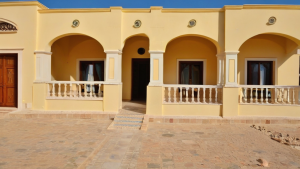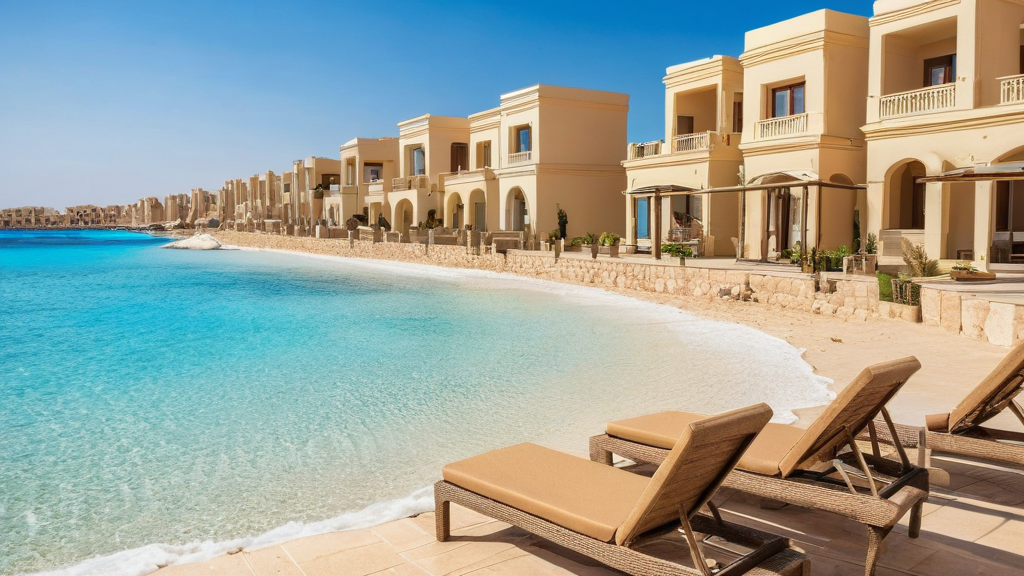
Summary about owning and buying property in Hurghada, Egypt.
- Real estate markets in emerging tourist destinations can fluctuate based on geopolitical factors, currency volatility, and shifts in tourism trends.
- Unlike stocks or bonds traded on global exchanges, property investments in Hurghada require more hands-on management and longer holding periods.
- Investing not just in real estate but also in hospitality services, recreational businesses, or retail can spread risk.
- While it may not completely replace traditional assets in your portfolio, Hurghada’s unique advantages position it as an excellent complement that can enhance overall diversification.
- To summarize, if you seek higher returns with an appetite for moderate risk and a long-term horizon, Hurghada presents an opportunity worth evaluating alongside conventional investments.
Can Hurghada outperform traditional investment options?
Understanding Hurghada as an investment destination
Hurghada, a vibrant coastal city along Egypt’s Red Sea, has steadily gained traction among investors seeking alternatives to conventional assets such as stocks, bonds, or savings accounts. Known primarily for its stunning beaches, year-round warm climate, and thriving tourism sector, Hurghada offers a unique investment environment. But the question arises: can the city’s burgeoning real estate and tourism-related opportunities truly outperform traditional investment options?
Factors driving investment potential in Hurghada
Several key factors make Hurghada an attractive spot for investors looking beyond traditional financial vehicles:
- Tourism Growth: With millions of tourists visiting annually, principally from Europe and the Middle East, Hurghada’s demand for accommodations, entertainment, and services remains robust.
- Real Estate Development: The city has witnessed extensive property development, ranging from luxury resorts to residential projects, offering promising rental yields.
- Government Initiatives: Egypt has been actively improving infrastructure and promoting foreign investment through regulatory reforms and incentives in Hurghada.
- Currency Advantage: The Egyptian pound’s relative affordability can lower entry costs for international investors compared to other markets.
Comparing returns: Hurghada vs. traditional investments
Traditional investments, such as stock markets, government bonds, and savings accounts, typically offer stability, liquidity, and predictable returns. However, they may also pose limitations in terms of growth potential and yield, especially in low-interest environments.
Investing in Hurghada’s real estate or tourism ventures can yield higher returns through rental income, capital appreciation, and business operations. For example, vacation rentals in prime locations often command premium prices, especially during peak seasons. Similarly, well-positioned resorts and entertainment businesses can capitalize on the steady influx of tourists.
Yet, higher returns often come alongside increased risks. Real estate markets in emerging tourist destinations can fluctuate based on geopolitical factors, currency volatility, and shifts in tourism trends. Unlike stocks or bonds traded on global exchanges, property investments in Hurghada require more hands-on management and longer holding periods.
Risks and considerations when investing in Hurghada
Understanding potential risks is critical before committing funds to Hurghada-based assets:
- Political and Economic Stability: While Egypt has made strides in stability, periodic regional tensions can impact investor confidence and tourism flows.
- Market Transparency: Less regulated markets sometimes lack the transparency, data availability, and legal infrastructure that protect traditional investment markets.
- Liquidity Constraints: Real estate and hospitality investments cannot be easily liquidated compared to stocks or bonds, requiring investors to be patient.
- Seasonality and Demand Fluctuations: Tourism in Hurghada can be seasonal, influencing rental income consistency.
Strategies for maximizing investment success in Hurghada
If you are considering Hurghada as an investment avenue, adopting strategic approaches can enhance your chances of outperforming traditional options:
- Focus on High-Demand Areas: Choosing properties near popular beaches, resorts, or city centers helps ensure consistent tenant or guest interest.
- Diversify Within the Local Economy: Investing not just in real estate but also in hospitality services, recreational businesses, or retail can spread risk.
- Leverage Local Expertise: Partner with established local developers, property managers, or tourism operators who understand the nuances of Hurghada’s market.
- Monitor Market Trends: Stay updated on tourism statistics, regulatory changes, and infrastructure developments influencing the area’s growth.
- Prepare for Long-Term Commitment: Real estate investments typically show stronger gains over several years, so patience is essential.
Why Hurghada can complement your investment portfolio
While it may not completely replace traditional assets in your portfolio, Hurghada’s unique advantages position it as an excellent complement that can enhance overall diversification. Its exposure to the hospitality and tourism sector taps into growing global travel trends, offering income streams somewhat uncorrelated with stock markets or bond yields.
Additionally, emerging market real estate like Hurghada often benefits from capital growth potential that traditional financial products in developed economies may lack during low-interest or stagnant market phases. This can provide investors a hedge against inflation and currency depreciation.
To summarize, if you seek higher returns with an appetite for moderate risk and a long-term horizon, Hurghada presents an opportunity worth evaluating alongside conventional investments.
Final thoughts to consider before investing
Before you make a decision, evaluate your financial goals, risk tolerance, and investment timeline. Hurghada offers appealing rewards but requires due diligence, hands-on management, and awareness of local market dynamics. Consulting with investment advisors specializing in international and real estate markets can further solidify your approach.
Ultimately, by balancing Hurghada’s potential with the stability of traditional investment vehicles, you might build a more resilient and profitable portfolio suited for today’s dynamic economic landscape.
Key factors driving investment growth in Hurghada compared to conventional markets
In recent years, Hurghada has gained significant attention from investors worldwide, sparking questions about its potential to outperform traditional investment avenues such as stocks, bonds, and established real estate markets. The question isn’t just about the allure of Hurghada’s landscape and lifestyle but the robust economic and social factors fueling its rapid investment growth. Understanding these key drivers can give you a clearer perspective on why Hurghada might be a valuable addition or even an alternative to conventional investment options.
Tourism as a pillar of economic stability
Hurghada’s economy is strongly anchored by its thriving tourism sector. This coastal city on the Red Sea offers pristine beaches, world-class diving spots, and a warm climate year-round. Tourism consistently brings a substantial influx of foreign currency, which helps stabilize the local economy. Unlike many traditional markets sensitive to global financial fluctuations, Hurghada benefits from steady tourist numbers, especially from Europe and the Middle East.
For investors, this translates to a lower risk in demand volatility. Properties such as holiday rentals, hotels, and resorts enjoy high occupancy rates, ensuring reliable rental yields. Moreover, government initiatives to diversify tourism by promoting luxury resorts and eco-tourism projects add layers of resilience and opportunity in this sector.
Emerging real estate and infrastructure developments
One of the standout catalysts for investment in Hurghada is its rapidly evolving real estate landscape. While traditional markets often deal with saturated supply and uncompetitive returns, Hurghada presents a fresh and expanding market. The development of new residential complexes, commercial centers, and waterfront properties attracts both local and international buyers.
Further driving this growth is significant investment in infrastructure, including improved road networks, airports, and utilities. The Hurghada International Airport’s expansion is a prime example, allowing increased tourism and business travel, which naturally boosts demand for accommodations and commercial properties.
Favorable investment regulations and incentives
Compared with many conventional investment jurisdictions, Hurghada offers a more investor-friendly regulatory environment. The Egyptian government has implemented reforms to simplify property registration, reduce bureaucracy, and encourage foreign direct investment in tourism and real estate sectors.
In particular, incentives such as tax exemptions on property purchases for foreigners, long-term leasehold options, and the opportunity to secure residency permits through property investment make Hurghada a compelling choice. These advantages often make investing in Hurghada financially more accessible and attractive compared to traditional market entry barriers.
High yield potential relative to traditional markets
Traditional investments like stocks or government bonds typically offer steady but modest returns, often tied to economic cycles and global events. In contrast, Hurghada’s real estate and tourism sectors display higher yield potential due to growing demand, scarce supply of quality properties, and increasing international visitor numbers.
Investors who have entered early often benefit from capital appreciation alongside attractive rental incomes, a combination less common in established conventional asset classes. The unique geographical and economic positioning of Hurghada means real estate values are on an upward trajectory, reflecting confidence in the region’s long-term growth.
Risk considerations and market volatility
While Hurghada offers many advantages, it’s important to recognize certain risks that differ from traditional markets. Political and economic stability in Egypt plays a significant role in investment security. However, ongoing efforts strengthen governance and promote transparency to mitigate these concerns.
Market-specific risks such as seasonal fluctuations in tourism and environmental challenges like water resources and coastal preservation should be factored into investment decisions. Unlike global equity markets that offer instant liquidity, real estate investments in Hurghada demand a longer-term outlook.
Diversification and portfolio benefits
Adding Hurghada-focused investments to your portfolio can improve diversification, especially if your holdings are concentrated in conventional assets tied closely to Western economies. The city’s distinct market dynamics, driven by tourism and regional development, tend to have a low correlation with global financial markets.
This ability to diversify geographically and sectorally can help shield your overall investment portfolio from certain economic shocks, delivering a more balanced risk-return profile over time.
Key factors at a glance
- Tourism-driven economic stability: Continuous inflows of tourists secure steady demand for hospitality and property.
- Expanding real estate market: New projects and growing infrastructure support rising property values and rental yields.
- Investor-friendly policies: Streamlined regulations and incentives facilitate easier market entry for foreigners.
- Higher yield potential: Combination of capital appreciation and rental income exceeds many traditional investments.
- Market growth ahead: Infrastructure developments hint at sustained upward trends in demand and asset value.
- Diversification benefits: Low correlation with conventional markets provides valuable portfolio balance.
Hurghada’s investment environment is shaped by multiple positive factors that distinguish it from traditional markets. Its growing tourism industry, government support, and emerging real estate opportunities create a fertile ground for investors seeking alternatives. While risks do exist, strategic investments in this vibrant region have the potential to outperform more conventional options, making Hurghada a compelling consideration for your next investment move.
Hurghada presents a compelling case as an investment destination that could potentially outperform traditional options like stocks, bonds, or real estate in established markets. Its unique blend of rapid tourism development, government support, and growing infrastructure fuels a dynamic environment ripe for returns. Unlike conventional investments, Hurghada offers diversification into an emerging market with significant upside potential thanks to its appeal as a year-round tourist hotspot, which continuously drives rental income and property value appreciation.
Several key factors contribute to Hurghada’s impressive investment growth. The city’s steady increase in international visitors ensures demand for short-term rentals and hospitality services, creating lucrative opportunities for investors who understand the local market. Additionally, favorable regulatory frameworks and attractive pricing compared to saturated traditional markets make Hurghada an accessible yet rewarding option. The emergence of new projects and upgrades in transport links further enhance its appeal, signaling long-term growth prospects that traditional markets often lack due to slower expansion rates.
For investors seeking diversification outside conventional asset classes, Hurghada’s potential to deliver strong returns is hard to ignore. While every investment carries risks, the city’s upward trajectory supported by tangible economic drivers makes it a smart consideration for those looking to broaden their portfolio with high-growth alternatives. Understanding these key growth factors helps you evaluate whether Hurghada aligns with your financial goals, potentially outperforming more traditional avenues by tapping into an evolving and vibrant market.