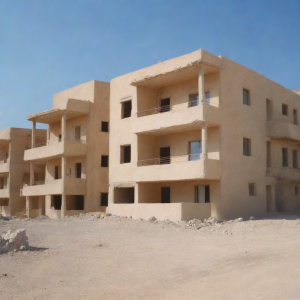
Summary about owning and buying property in Hurghada, Egypt.
- Exploring the Role of the Consulate in Resolving Property Disputes in EgyptThe Consulate’s Support Role for Nationals in Egyptian Property Issues.
- When foreign nationals encounter property disputes in Egypt, the local consulate plays a vital role in assisting them through the often complex legal and administrative terrain.
- Consulate staff can advise on the general legal framework surrounding property ownership and disputes in Egypt.
- Property disputes in Egypt often involve multiple parties and can arise from issues like unclear property titles, inheritance conflicts, or challenges related to tenancy agreements.
- Being involved in a property dispute abroad can be a stressful and unfamiliar experience.
Exploring the role of the consulate in resolving property disputes in Egypt
The consulate’s support role for nationals in Egyptian property issues
When foreign nationals encounter property disputes in Egypt, the local consulate plays a vital role in assisting them through the often complex legal and administrative terrain. Although consulates do not serve as legal representatives or intervene in judicial proceedings directly, their involvement provides important support mechanisms that help protect the interests of their citizens abroad.
Consulates act as a bridge between property owners and Egyptian authorities, offering guidance to individuals unfamiliar with local laws and regulations. This function is crucial because property laws in Egypt can be complicated, especially for foreigners who may face language barriers or lack understanding of local customs. By providing accurate information about legal rights and procedures, consulates empower property owners to navigate disputes more effectively.
Key services provided by the consulate in property disputes
- Legal Information and Referrals: Consulate staff can advise on the general legal framework surrounding property ownership and disputes in Egypt. While they do not provide legal advice, consulates offer referrals to reputable local lawyers who specialize in property law and dispute resolution.
- Document Authentication: Handling property-related matters often requires the submission of official documents. Consulates assist with the authentication and certification of documents, ensuring they meet Egyptian legal standards and are recognized by local authorities.
- Communication Assistance: In cases where language is a barrier, consulates help communicate between foreign property owners and Egyptian officials. This service can prevent misunderstandings and promote clearer dialogue throughout the dispute resolution process.
- Consular Protection: If nationals face intimidation, harassment, or unlawful detention related to property conflicts, consulates intervene by contacting local authorities to safeguard their rights and wellbeing.
- Mediation Facilitation: Although not formal arbitrators in legal matters, consulates sometimes facilitate discussions that may lead to amicable settlements between parties before disputes escalate to courts.
How consulates help manage legal complexities in Egypt
Property disputes in Egypt often involve multiple parties and can arise from issues like unclear property titles, inheritance conflicts, or challenges related to tenancy agreements. Foreign owners may struggle to understand the judicial processes that govern these cases. Here, the consulate provides clarity by outlining the necessary steps:
- Explaining the role of Egyptian civil courts and administrative bodies in settling property disputes.
- Informing about the timeline and documentation required for filing claims or defending a case.
- Highlighting rights to legal representation and the availability of translation services during court sessions.
This guidance ensures that nationals are well-informed and less likely to be disadvantaged due to procedural ignorance.
Limitations on the consulate’s role in property disputes
Understanding what consulates cannot do is just as important. They do not:
- Provide legal representation or act as legal counsel in property disputes.
- Force Egyptian authorities or courts to act in favor of their nationals.
- Overturn local court decisions or interfere with Egyptian sovereignty in judicial matters.
Recognizing these limitations helps set realistic expectations and encourages property owners to seek professional legal advice early.
Tips for foreign property owners to utilize consulate assistance effectively
To gain the full benefit of consular support, foreign nationals should:
- Register with their consulate upon arriving in Egypt or acquiring property, so they can receive timely updates and assistance when needed.
- Keep all property-related documents organized and have copies certified by the consulate to avoid delays during disputes.
- Reach out to consulate officials promptly if encountering any threats, fraud attempts, or legal uncertainties connected to their property.
- Use consular services as a complementary resource alongside expert local legal counsel to strengthen their position in any dispute.
Building confidence in a foreign legal environment
Being involved in a property dispute abroad can be a stressful and unfamiliar experience. The consulate’s role in Egypt helps mitigate these challenges by providing practical support, safeguarding citizens’ interests, and facilitating access to trustworthy legal resources. Their involvement fosters confidence among foreign property owners, helping them protect their investments with greater assurance.
By understanding the consulate’s supportive functions and limitations, you can navigate property disputes in Egypt more effectively, ensuring your rights are respected while complying with local laws. Reaching out to your consulate early and maintaining open communication is a wise strategy when facing any property-related issues in this dynamic and complex jurisdiction.
Key legal challenges in Egyptian property conflicts and how foreign nationals can navigate them
Understanding legal complexities in Egyptian property disputes
Property conflicts in Egypt can be daunting, especially for foreign nationals unfamiliar with the country’s legal landscape. Such disputes often arise due to unclear land titles, inheritance issues, or unauthorized development, making it important to grasp the unique challenges involved. Egypt’s legal system combines civil law traditions with elements of Sharia law, which can add layers of complexity when navigating property claims.
One key challenge is that land registration offices may have outdated records or incomplete documentation, leading to disputes over rightful ownership. Furthermore, the informal nature of some property transactions can complicate the resolution process. Foreign nationals, in particular, must be careful when acquiring real estate, as certain restrictions and bureaucratic procedures are in place to regulate foreign ownership.
Restrictions on foreign ownership
In Egypt, there are legal limitations concerning foreign nationals owning real estate. While foreign ownership is allowed under specific conditions, these often require governmental approval or involve restrictions on the type and location of property that can be acquired. For example:
- Foreign investors might need to obtain permits from the General Authority for Investment and Free Zones (GAFI).
- Ownership of agricultural land by non-Egyptians is generally prohibited.
- Residential properties in some designated zones may have additional regulations concerning foreign purchasers.
Understanding these constraints beforehand helps foreign buyers avoid legal pitfalls that can lead to future disputes.
Title verification and due diligence
Before committing to any property deal in Egypt, it’s crucial to conduct thorough due diligence. This process involves verifying the property’s title deed through the Real Estate Publicity Department to ensure there are no disputes or liens. Many foreign buyers overlook this step, leading to unexpected complications later on.
Engaging a qualified local lawyer familiar with Egyptian property law is often the best way to safeguard your investment. They can assist with title searches, confirm the property’s legal status, and ensure all contracts comply with Egyptian regulations. Without this professional guidance, foreign nationals risk purchasing property that could be subject to ongoing ownership conflicts or even government claims.
The role of official consulates in property conflicts
When foreign nationals face property disputes in Egypt, their respective consulates often become valuable allies. Though consulates do not intervene in legal proceedings directly, they offer several essential services that can help navigate the complexities of property conflicts:
- Legal Assistance: Consulates provide lists of qualified local attorneys who specialize in property law.
- Documentation Support: Assistance with authenticating documents and ensuring proper translations for legal use.
- Protection of Rights: Monitoring the treatment of their nationals to ensure that property rights are respected according to Egyptian and international law.
These services create a crucial support network for foreigners navigating unfamiliar legal processes, increasing the chance of an equitable resolution.
Dispute resolution and arbitration options
Property disputes don’t always need to end up in court. In Egypt, alternative dispute resolution (ADR) methods such as mediation and arbitration are becoming more common. These approaches can offer faster, less costly outcomes and can also be less intimidating for foreign investors.
- Mediation involves a neutral third party helping both sides reach a voluntary agreement.
- Arbitration allows parties to present their case to an arbitrator whose decision is usually binding.
Foreign nationals should inquire about including arbitration clauses in their property contracts to streamline dispute resolution if problems arise in the future.
Steps foreign nationals should take to protect their property interests
Given the legal intricacies, foreign buyers should adopt a careful approach to property investments in Egypt. Here’s a practical checklist to minimize risks:
- Consult the Embassy or Consulate: Get guidance on property laws and the risks involved in specific regions.
- Hire Local Legal Counsel: Engage lawyers who understand local practices and regulations.
- Verify Ownership: Confirm the title deed with official land registries and check for hidden claims or mortgages.
- Understand Regulatory Restrictions: Know which properties are legally available for foreign ownership and related permit requirements.
- Use Proper Contracts: Ensure all paperwork is legally sound and includes dispute resolution mechanisms.
- Maintain Documentation: Keep copies of all official documents, contracts, and correspondence related to the property.
Adhering to these steps increases your chances of avoiding conflicts and successfully navigating any disputes that may arise.
Why patience and cultural awareness matter
Understanding local customs and the pace of Egyptian bureaucracy can help foreign nationals manage expectations. Property disputes may take time to resolve due to the layered legal systems and slow administrative processes. Being patient and respectful toward local institutions and parties involved can facilitate smoother communication and negotiations.
While property conflicts in Egypt present several challenges, foreign nationals who educate themselves and seek proper legal and consular support stand a good chance of successfully protecting their property rights.
Understanding the role of the consulate in property disputes in Egypt is essential for foreign nationals involved in such conflicts. Consulates act as a vital link between you and the Egyptian legal system, offering guidance, assistance, and support throughout the resolution process. They help navigate complex legal challenges that often arise in Egyptian property cases, including understanding local laws, handling documentation, and communicating with authorities. While consulates do not intervene directly in legal proceedings, their support can be critical in protecting your rights and ensuring clear communication.
Egypt’s property laws can be intricate and difficult to manage without specialized knowledge, especially for foreigners. By working closely with your consulate, you can gain access to valuable resources, such as translators, legal referrals, and consular protection services. This collaboration helps you better understand the steps needed to resolve disputes and avoid common pitfalls in property conflicts.
Ultimately, leveraging the support of your consulate can make a significant difference in handling property disputes in Egypt. It empowers you with the information and assistance needed to navigate legal complexities confidently and effectively. Staying proactive and informed, with your consulate as an ally, increases your chances of achieving a fair and timely resolution in Egypt’s property dispute landscape.